Traditional skateboards are generally safer than electric skateboards. Because it operates at lower speeds and allows riders to react more naturally during a loss-of-control situation. However, electric skateboards can be safe when ridden responsibly with proper protective gear and a solid understanding of braking and speed control.
For beginners and younger riders, traditional skateboards typically present a lower overall injury risk. For experienced commuters, electric skateboards can provide a safe and efficient transportation option when used correctly.
TL; DR
- Traditional skateboards are usually safer for beginners.
- Electric skateboards introduce higher-speed crash risks.
- Rider behavior impacts safety more than board type.
- Helmets and protective gear significantly reduce injury severity.
- Electric skateboards are better suited for commuting.
- Traditional skateboards allow easier emergency dismounts.
- The safest choice depends on skill level, riding environment, and experience.
Skateboard vs E-Skateboard: Quick Safety Comparison
| Safety Factor | Traditional Skateboard | Electric Skateboard |
|---|---|---|
| Beginner Safety | ⭐ Higher | Moderate |
| Average Speed | Low | High |
| Crash Severity | Lower | Higher |
| Emergency Dismount | Easier | More Difficult |
| Battery Risks | None | Present |
| Traffic Exposure | Lower | Higher |
| Urban Commuting | Less Practical | More Practical |
| Maintenance Complexity | Low | High |
| Overall Safety | ⭐ Winner | Runner-Up |
Skateboard vs E-Skateboard: Which Is Safer Overall?
For most riders, traditional skateboards have a safety advantage. Because they travel at lower speeds and allow riders to step off quickly when balance is lost. Electric skateboards introduce additional factors:
- higher speeds
- electronic braking systems
- battery-powered acceleration
- remote-control operation
- increased interaction with traffic
These factors increase both accident risk and injury severity when crashes occur.
Overall Safety Winner: Traditional Skateboard
Why Traditional Skateboards Are Usually Safer
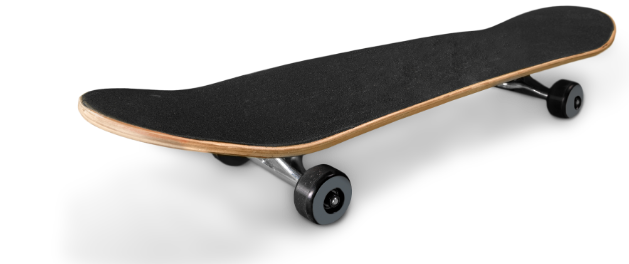
Traditional skateboards rely entirely on rider input. Without motors or electronic acceleration, riders naturally regulate speed through pushing, carving, and foot braking. It provides several safety advantages:
- Lower average speeds
- More predictable movement
- Easier emergency exits
- Simpler operation
- No battery or electrical failures
Many beginner falls occur at relatively low speeds, reducing injury severity. When riders lose balance, they can often run out the fall or step off safely before impact.
Why Electric Skateboards Can Be Riskier

Electric skateboards can exceed 20–30 mph depending on the model. Higher speed changes every aspect of riding safety. As speed increases:
- reaction time decreases
- stopping distance increases
- crashes become more severe
- road hazards become more dangerous
- traffic interactions become more complex
Electric skateboards also introduce additional risks that traditional skateboards don’t have. For instance, battery issues, remote disconnects, motor failures, braking malfunctions, etc. Although uncommon with quality boards, these factors contribute to the overall risk profile.
How Speed Affects Injury Severity
Speed is the single biggest factor separating skateboard safety from e-skateboard safety.
| Scenario | Traditional Skateboard | Electric Skateboard |
|---|---|---|
| Typical Riding Speed | 5–10 mph | 15–30 mph |
| Stopping Distance | Short | Longer |
| Impact Energy | Lower | Higher |
| Crash Severity | Lower | Higher |
Many experienced electric skateboard riders intentionally ride below maximum speed. Because maintaining control is more important than going fast.
Common Injuries: Skateboard vs E-Skateboard
| Injury Type | Traditional Skateboard | Electric Skateboard |
|---|---|---|
| Wrist Fractures | Common | Common |
| Road Rash | Moderate | High |
| Ankle Sprains | Common | Moderate |
| Head Injuries | Possible | Higher Risk |
| Collarbone Injuries | Less Common | More Common |
| Shoulder Injuries | Common | Common |
Safety Gear Essentials for Both Riders
| Safety Equipment | Why It Matters | Recommended Features | Best For |
|---|---|---|---|
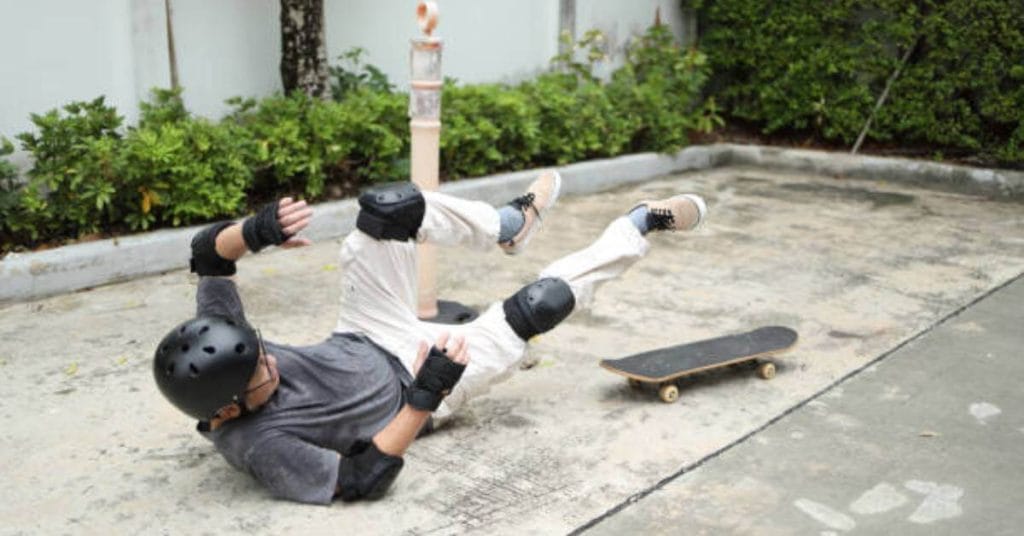
| Certified Helmet | Protects against head injuries | CPSC-certified, ASTM-certified, MIPS-equipped models | All riders |
| Wrist Guards | Prevent fractures and hyperextension | Reinforced splints, secure straps | Beginners and commuters |
| Knee Pads | Reduce impact injuries and road rash | Adjustable impact protection | Beginners and urban riders |
| Elbow Pads | Protect joints during falls | Impact-resistant padding | Urban and downhill riders |
| Visibility Equipment | Improves visibility around traffic | Reflective clothing, lights, reflective backpacks | Commuters and night riders |
Skateboard vs E-Skateboard: Which Is Safer for Beginners?
| Safety Factor | Traditional Skateboard | Electric Skateboard |
|---|---|---|
| Learning Curve | Easier | More Complex |
| Speed Management | Easier | More Challenging |
| Balance Development | Better | Moderate |
| Emergency Exit | Easier | Harder |
| Mechanical Complexity | Low | High |
| Beginner Safety | ⭐ Higher | Moderate |

Traditional skateboards are generally safer for beginners. They should focus on stance, balance, carving and stopping before introducing powered acceleration and electronic braking. Many experienced riders recommend mastering traditional skateboarding fundamentals before transitioning to an electric skateboard.
Find The Best Cruiser Skateboard for Beginners

Skateboard vs E-Skateboard: Which Is Safer for Kids?
| Consideration | Traditional Skateboard | Electric Skateboard |
|---|---|---|
| Speed Control | Better | Harder |
| Supervision Needs | Easier | Greater |
| Mechanical Complexity | Simple | Advanced |
| Injury Severity | Lower | Higher |
| Skill Requirements | Basic | Advanced |
| Recommended for Young Riders | ⭐ Yes | Limited Cases |
Parent Safety Priorities
| Priority | Why It Matters |
|---|---|
| Protective Gear | Reduces injury severity |
| Supervised Practice | Encourages safe habits |
| Age-Appropriate Equipment | Matches rider ability |
| Safe Riding Areas | Reduces external hazards |
Find The Best Cruiser Skateboard for Kids
![Why Choose the Best Cruiser Skateboards for Kids [Top 5 Reasons]](https://safeskateboard.com/wp-content/uploads/2024/12/Why-Choose-the-Best-Cruiser-Skateboards-for-Kids-Top-5-Reasons-1024x536.jpg "Skateboard vs E-Skateboard: Which Is Safe? The Complete Safety Comparison Guide 7")
Skateboard vs E-Skateboard: Which Is Safer for Urban Commuting?
| Factor | Traditional Skateboard | Electric Skateboard |
|---|---|---|
| Physical Effort | Higher | Lower |
| Travel Distance | Shorter | Longer |
| Route Efficiency | Moderate | High |
| Average Speed | Lower | Higher |
| Commuting Practicality | Moderate | ⭐ High |
Common Urban Hazards
| Hazard | Risk Level |
|---|---|
| Vehicles | High |
| Intersections | High |
| Pedestrians | Moderate |
| Road Debris | Moderate |
| Poor Pavement | High |
Safe Commuting Habits
| Best Practice | Benefit |
|---|---|
| Wear a helmet every ride | Reduces head injury risk |
| Ride predictably | Improves visibility to drivers |
| Brake early | Prevents emergency situations |
| Stay visible | Reduces collision risk |
| Avoid aggressive acceleration | Improves control |
Environmental Factors That Heavily Affect Safety
| Riding Condition | Risks | Recommended Action |
|---|---|---|
| Wet Roads | Reduced traction, longer braking distances, slippery surfaces | Slow down and avoid sharp turns |
| Poor Pavement | Potholes, cracks, gravel, utility covers | Reduce speed and scan ahead |
| Night Riding | Reduced visibility and reaction time | Use lights and reflective gear |
Risk Comparison by Environment
| Condition | Traditional Skateboard | Electric Skateboard |
|---|---|---|
| Dry Pavement | Low Risk | Low Risk |
| Wet Pavement | Moderate Risk | High Risk |
| Rough Roads | Moderate Risk | High Risk |
| Night Riding | Moderate Risk | High Risk |
| Heavy Traffic | Moderate Risk | High Risk |
How Rider Behavior Influences Safety
Unsafe Behaviors
| Unsafe Behavior | Why It’s Dangerous |
|---|---|
| Excessive Speed | Reduces reaction time |
| Distracted Riding | Delays hazard detection |
| Ignoring Traffic Rules | Increases collision risk |
| Skipping Safety Gear | Raises injury severity |
| Riding Beyond Skill Level | Causes loss-of-control crashes |
Habits of Safe Riders
| Safe Habit | Safety Benefit |
|---|---|
| Practice Regularly | Improves control |
| Understand Braking Limits | Prevents panic stops |
| Inspect Equipment | Identifies issues early |
| Respect Conditions | Reduces avoidable risks |
| Ride Within Skill Level | Maintains consistent control |
Key Takeaway
| Question | Answer |
|---|---|
| What affects safety most? | Rider skill and judgment |
| Does board type matter? | Yes, but less than riding habits |
| Biggest risk factor? | Excessive speed |
| Most important safety measure? | Wearing proper protective gear |
Final Verdict
If your primary goal is maximum safety, a traditional skateboard remains the safer option for most riders because of its lower speeds, simpler design, and reduced crash severity.
If your goal is efficient transportation, an electric skateboard can be a safe and practical choice when paired with proper skateboarding training, protective gear, and conservative riding habits.
The safest board is not necessarily the fastest or most expensive. It is the board that matches your experience level, riding environment, and ability to maintain consistent control.
For beginners, the traditional skateboard wins.
For experienced commuters, the electric skateboard can be both safe and highly effective when ridden responsibly.