Picking a board game for young children often feels like a guessing game. I look for options that are simple enough for toddlers, but still fun enough to keep them focused during our time together.
The ideal choice balances clear, easy-to-follow rules with tactile elements that keep children physically involved. Durability and educational value are also essential, ensuring the game survives frequent play while helping little ones develop cognitive and social skills.
⚡ Quick Verdict
List of Good Board Game For Young Kids
| Image | Product | Score | Link |
|---|---|---|---|
 | Jax SEQUENCE for Kids — The ‘No Reading Required’ Strategy 🏆 Editor’s Pick | 9.4/10 |
View on Amazon Free Shipping & 30-Day Returns |
 | Mattel Games UNO Junior Card Game with 45 Cards, Gift for Ki 🥈 Runner-Up | 9.1/10 |
View on Amazon Free Shipping & 30-Day Returns |
 | Spin Master Games Hedbanz Picture Guessing Game for Family G | 8.5/10 |
View on Amazon Free Shipping & 30-Day Returns |
 | Creature Crash – The Capybara Balancing Game by Relatable | 8.1/10 |
View on Amazon Free Shipping & 30-Day Returns |
 | Hasbro® Don’t Break The Ice Game, Classic Version for Ages 3 | 7.9/10 |
View on Amazon Free Shipping & 30-Day Returns |
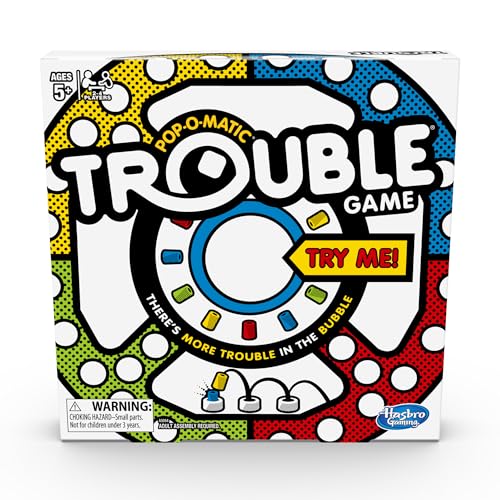 | Hasbro Gaming Trouble Board Game for Kids Ages 5 and Up 2-4 | 7.8/10 |
View on Amazon Free Shipping & 30-Day Returns |
 | Let’s Go Fishin’ Game by Pressman – The Original Fast-Action | 7.6/10 |
View on Amazon Free Shipping & 30-Day Returns |
 | Hasbro Gaming Candy Land Kingdom of Sweet Adventures Board G 🏆 Editor’s Pick | 7.5/10 |
View on Amazon Free Shipping & 30-Day Returns |
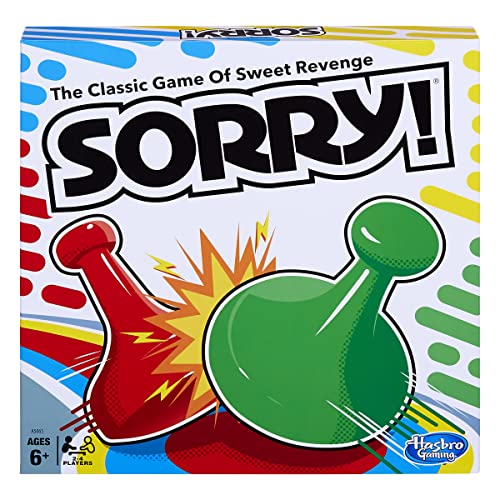 | Sorry! Board Game for Kids Ages 6 and Up; Classic Hasbro Boa 🥈 Runner-Up | 7.2/10 |
View on Amazon Free Shipping & 30-Day Returns |
 | Tic Tac Toe Board Game, Classical Family Board Game | 6.8/10 |
View on Amazon Free Shipping & 30-Day Returns |
📋 How We Evaluated
Evaluations focused on age-appropriateness, mechanical simplicity, and educational value. Performance was measured by ease of setup, replayability, and durability during active play sessions.
Detailed Reviews
Jax SEQUENCE for Kids — The ‘No Reading Required’ Strategy 🏆 Editor’s Pick
| Age Range | 3-6 |
| Player Count | 2-4 |
| Reading Required | No |
| Skill Focus | Strategy |
What We Found
Sequence for Kids is a fantastic adaptation of the classic strategy game. It replaces standard cards with pictures, making it accessible for children who cannot read yet.
The goal is to get four chips in a row on the board by matching the card in your hand to the character on the board. This mechanic introduces basic strategic planning and logical thinking in a very child-friendly way.
The board is large and easy to see, and the chips are sturdy. It provides a perfect bridge between luck-based games and those requiring genuine tactical thought. The game is highly engaging and scales well as children grow older, making it a long-term investment for family game nights.
💬 My Take
I would shortlist this as the gold standard for early strategy. It is essential for any game shelf.
Who It’s For
This game is perfect for children aged three to six who are ready to learn strategy. It is ideal for families seeking an educational yet fun experience.
✅ Pros
- Excellent introduction to strategic thinking.
- Requires no reading, making it inclusive for toddlers.
- High replay value as children grow and learn.
❌ Cons
- Requires a flat surface for optimal play.
- Some younger children may need help understanding strategy.
- Slightly higher price point than basic card games.
Mattel Games UNO Junior Card Game with 45 Cards, Gift for Ki🥈 Runner-Up
| Age Range | 3 and Up |
| Player Count | 2-4 |
| Levels | 3 |
| Focus | Matching |
What We Found
UNO Junior is a brilliant simplification of the classic card game. By using animal illustrations to represent numbers, it allows even the youngest children to participate. The game features three levels of play, allowing it to grow with the child’s abilities.
Level One focuses on simple matching, while higher levels introduce action and penalty cards. This tiered approach is exceptional for long-term use. The cards are durable and the zoo-themed graphics are very appealing. It is compact, easy to carry, and perfect for teaching children about turn-taking and color matching.
Because it is a card game, it is highly portable and fits easily into a backpack for outings.
💬 My Take
I would pick this for its longevity. It is a smart, adaptable game that changes with your child.
Who It’s For
This is ideal for children aged three and up. It is a perfect choice for parents who want a game that evolves as their child learns.
✅ Pros
- Tiered gameplay levels allow for long-term use.
- Animal graphics make it accessible for non-readers.
- Highly portable and easy to store.
❌ Cons
- Cards can be easily bent by younger hands.
- Requires adult supervision for the higher levels.
- Matching can become repetitive for some kids.
Spin Master Games Hedbanz Picture Guessing Game for Family G
| Age Range | 6 and Up |
| Player Count | 2-6 |
| Skill Focus | Deduction |
| Game Type | Guessing |
What We Found
Hedbanz is a hilarious picture-guessing game that encourages communication and deductive reasoning. Players wear headbands with cards and ask questions to figure out what they are. The process of asking ‘yes’ or ‘no’ questions helps children develop critical thinking and communication skills.
It is highly interactive and usually leads to a lot of laughter. The variety of cards included keeps the game fresh for multiple play sessions. It is easy to learn and setup is minimal. Because it is a social game, it works well at parties or family gatherings.
While it is recommended for older children, younger kids can participate with a little assistance. It is a standout choice for social development.
💬 My Take
I would look at this for a riotous social game. It is perfect for getting kids to think and talk.
Who It’s For
This is perfect for children aged six and up who enjoy social, interactive games. It is great for improving communication skills in a fun group setting.
✅ Pros
- Promotes critical thinking and communication skills.
- Highly social and entertaining for groups.
- Variety of cards keeps the game interesting.
❌ Cons
- Can be challenging for children under six.
- Headbands might not fit all children perfectly.
- Requires players to stay focused on questions.
Creature Crash – The Capybara Balancing Game by Relatable
| Age Range | 6 and Up |
| Game Type | Balancing |
| Components | 49 Capybaras |
| Skill Focus | Fine Motor |
What We Found
Creature Crash offers a unique physical challenge that differs from traditional board games. Players must balance capybara figures on a tree structure based on die rolls. The game focuses on fine motor skills and spatial reasoning rather than card play or counting.
The capybaras are adorable and well-crafted, making the game visually appealing. If the structure topples on a player’s turn, they are out, which adds a layer of tension. It is a fantastic option for families who want to break away from traditional board game formats.
The game is easy to learn but difficult to master, providing a challenge that scales well with age and experience. It is highly portable and great for travel.
💬 My Take
I would pick this for a tactile challenge that feels different from standard board games.
Who It’s For
This game is perfect for children aged six and up who enjoy building and balancing tasks. It is excellent for developing fine motor skills through play.
✅ Pros
- Unique balancing mechanic improves fine motor skills.
- Adorable theme makes it highly engaging for kids.
- Compact design is perfect for travel.
❌ Cons
- Small pieces may be a choking hazard for toddlers.
- Setup can be tedious if pieces are knocked over.
- Not suitable for children with low frustration tolerance.
Hasbro® Don’t Break The Ice Game, Classic Version for Ages 3
| Age Range | 3 and Up |
| Player Count | 2-4 |
| Skill Focus | Dexterity |
| Theme | Arctic |
What We Found
Don’t Break The Ice is a high-suspense game that tests nerve and precision. Players take turns tapping out ice blocks while trying to keep the penguin character on top. The tension builds as the ice grid becomes more unstable.
It is simple enough for three-year-olds to understand while still being entertaining for adults. The game requires some dexterity, which helps children refine their hand-eye coordination. Resetting the grid can be a bit time-consuming, but the anticipation of the ‘ker-plop’ makes it worth the effort.
The components are durable and designed for the rougher handling often associated with younger children. It remains a classic for a reason, providing consistent entertainment value.
💬 My Take
My read is that this is a classic for a reason. It delivers high-stakes fun in a simple package.
Who It’s For
This is ideal for preschoolers aged three and up who enjoy physical, suspenseful games. It helps develop fine motor control in a fun, rewarding way.
✅ Pros
- Builds suspense and excitement for younger children.
- Develops dexterity and fine motor control.
- Simple rules are easy for toddlers to grasp.
❌ Cons
- Resetting the board takes time between rounds.
- Pieces can be misplaced if not kept organized.
- Limited replay value once the novelty wears off.
Hasbro Gaming Trouble Board Game for Kids Ages 5 and Up 2-4
| Age Range | 5 and Up |
| Player Count | 2-4 |
| Die Roller | Pop-o-Matic |
| Setup Time | Minimal |
What We Found
Trouble is a classic game that features the iconic Pop-o-Matic bubble. This mechanism keeps the die contained, which is a major benefit for parents tired of losing game components under furniture. The goal is straightforward: navigate pieces around the board to win.
The inclusion of ‘Power Up’ spaces adds a layer of complexity for those who want a more dynamic experience. Its fast-paced nature keeps children engaged from start to finish. The setup is incredibly quick, allowing for spontaneous play sessions.
As a tactile experience, the act of popping the bubble is highly satisfying for young users. It effectively teaches basic counting and spatial awareness in a fun, high-energy environment.
💬 My Take
My read is that the popping mechanic keeps kids hooked. It is a reliable, high-energy choice.
Who It’s For
Trouble is ideal for families with children aged five and up who enjoy fast-paced games. It is a great choice for short play sessions on busy weeknights.
✅ Pros
- The enclosed die prevents lost pieces.
- Fast setup allows for quick, spontaneous play.
- Interactive popping mechanism keeps kids highly engaged.
❌ Cons
- The plastic bubble can be loud during play.
- Limited strategic variety once rules are mastered.
- Board size is fixed and not travel-friendly.
Let’s Go Fishin’ Game by Pressman – The Original Fast-Action
| Age Range | 4 and Up |
| Player Count | 1-4 |
| Skill Focus | Coordination |
| Mechanism | Rotating Pond |
What We Found
Let’s Go Fishin’ is an action-packed game that focuses on hand-eye coordination. The rotating pond and moving fish create a dynamic environment that keeps children focused. Players must use their mini fishing poles to catch the fish while they open and close their mouths.
This requires timing and precision, providing a good challenge for younger children. The game is simple to set up and provides immediate, satisfying results. It is a fantastic way to keep kids active and engaged during play.
The durability is generally good, though the motorized parts require fresh batteries to maintain the correct speed. It is a nostalgic choice that parents will enjoy playing alongside their children.
💬 My Take
My read is that this is a classic active game. It keeps the energy high for the whole family.
Who It’s For
Let’s Go Fishin’ Game by Pressman – The Original Fast-Action Fishing Game!, 1-4 players is best for shoppers who want a dependable match without overcomplicating the decision.
It is worth shortlisting if its size, feature set, warranty notes, and recent buyer feedback line up with the way you plan to use this good board game for young kids.
✅ Pros
- Actively improves hand-eye coordination.
- Fast-paced gameplay maintains high engagement.
- Simple, intuitive rules for young children.
❌ Cons
- Motorized mechanism can be noisy during play.
- Requires batteries to function effectively.
- Small fish pieces can be easily lost.
Hasbro Gaming Candy Land Kingdom of Sweet Adventures Board G🏆 Editor’s Pick
| Age Range | 3 and Up |
| Player Count | 2-4 |
| Reading Required | No |
| Theme | Candy Kingdom |
What We Found
Candy Land remains a foundational experience for many households. The game utilizes a color-matching mechanic that removes the need for literacy. Players navigate a path to the castle, encountering various sweet-themed locations. The board design is vibrant and durable, standing up to the handling of young children.
Because movement relies entirely on drawing cards rather than complex arithmetic, it remains accessible for the youngest players. The lack of player-versus-player conflict makes it a low-stress option for families who prefer cooperative-feeling play.
While it lacks deep strategy, it serves as an excellent introduction to turn-based mechanics and following simple instructions. The classic illustrations provide a nostalgic touch for parents while remaining visually appealing to toddlers.
💬 My Take
I would look at this as the ultimate entry point for toddlers. It is a timeless, low-pressure classic.
Who It’s For
This game suits children ages three and up who are just beginning their journey into tabletop gaming. It is ideal for parents seeking a non-competitive experience that teaches patience and turn-taking without the frustration of complex rules.
✅ Pros
- Simple color-matching mechanics require no reading skills.
- Bright, engaging visuals capture the attention of young children.
- Non-competitive nature prevents early childhood frustration.
❌ Cons
- Gameplay offers limited strategic depth for older children.
- High reliance on luck can become repetitive for adults.
- The board is bulky to store compared to card games.
Sorry! Board Game for Kids Ages 6 and Up; Classic Hasbro Boa🥈 Runner-Up
| Age Range | 6 and Up |
| Player Count | 2-4 |
| Reading Required | Minimal |
| Strategy Level | Low-Medium |
What We Found
Sorry! introduces children to the concept of competitive play and simple strategy. Players move pawns around the board based on cards, with the goal of reaching home first. The game includes mechanics that allow players to send opponents back to the start, which teaches resilience in a gaming context.
The board is sturdy and the pawns are easy for small hands to grasp. While it requires a basic understanding of counting and movement, it is well-suited for school-aged children. The game encourages social interaction and lighthearted rivalry, making it a staple for family game nights.
It bridges the gap between simple luck-based games and those requiring more tactical thinking.
💬 My Take
I would pick this when you want to help kids learn how to handle game-time setbacks.
Who It’s For
This is perfect for children aged six and up who are ready for a bit of friendly competition. It works well for siblings who enjoy interactive and slightly mischievous gameplay.
✅ Pros
- Encourages social interaction through competitive mechanics.
- Builds resilience by handling setbacks during the game.
- Sturdy components designed for repeated family use.
❌ Cons
- Can lead to frustration for sensitive younger players.
- Requires basic counting skills to play effectively.
- Longer play time than simpler toddler games.
Tic Tac Toe Board Game, Classical Family Board Game
| Material | Resin Plastic |
| Portability | High |
| Age Range | All ages |
| Focus | Cognitive |
What We Found
This Tic Tac Toe set is a durable, portable version of the classic game. Made from high-quality resin, it is waterproof and lightweight, making it an excellent travel companion. The vibrant colors and shapes help children develop cognitive skills related to patterns and spatial awareness.
It is a fantastic tool for introducing the concept of strategy in a very accessible way. Because the game is so short, it is perfect for waiting in lines or during long car rides.
While it is a simple game, the quality of the materials makes it a step above standard paper-and-pencil versions. It encourages face-to-face social interaction and can even be used as a party favor.
💬 My Take
I would look at this for a portable option. It is durable, but offers limited variety over time.
Who It’s For
Tic Tac Toe Board Game, Classical Family Board Game is best for shoppers who want a dependable match without overcomplicating the decision.
It is worth shortlisting if its size, feature set, warranty notes, and recent buyer feedback line up with the way you plan to use this good board game for young kids.
✅ Pros
- Highly durable and waterproof material.
- Extremely portable for travel and outings.
- Helps develop early pattern recognition skills.
❌ Cons
- Very limited gameplay compared to complex games.
- Pieces are small and could be easily lost.
- Offers little challenge for older children.
What to Look For Before Buying
When picking a game, think about your child’s age and focus level. Look for games that teach basic skills like turn-taking, but keep them simple to avoid frustration. Sturdy parts are a must for household play.
Check Age Appropriateness
Always check the manufacturer’s age recommendation to ensure the game matches your child’s cognitive abilities. Games that are too complex lead to frustration, while games that are too simple are quickly abandoned. Look for games labeled with specific age ranges for the best fit.
Observe your child’s current interests to help guide your selection process.
Value Educational Value
Select games that foster specific skills like counting, sorting, or logical reasoning. These games provide entertainment while subtly building academic foundations. Educational games often offer higher replay value because they challenge the child as they grow. Choose themes that align with subjects your child currently enjoys exploring.
Rating Mechanical Simplicity
Younger children thrive with games that have straightforward, easy-to-understand rules. Avoid titles that require extensive reading or complex math unless the child is already proficient. Simple mechanics allow children to focus on the fun rather than the logistics of the game.
If you must explain the rules for ten minutes, the game is likely too advanced.
Verify Durability and Storage
Children can be rough on game components, so prioritize sturdy materials like heavy-duty cardboard or plastic. Check for games with organized storage solutions to keep pieces from getting lost. A game with missing parts becomes unusable very quickly. Quality construction ensures your investment lasts through many years of family play.
Frequently Asked Questions
What is the best age to introduce board games?
Three is usually the sweet spot. Stick to simple games that keep their attention for short bursts.
How do I handle frustration during games?
I focus on the fun rather than winning. If they get upset, we just take a quick break.
Are card games better than board games for kids?
Both work well. Cards are easier for travel, while boards often provide a more immersive visual experience.
How long should a game session last?
Aim for ten to twenty minutes. Short sessions keep kids excited to come back and play another time.
Should I choose cooperative or competitive games?
Cooperative games are great for teaching teamwork. Competitive ones are helpful for building social resilience later on.
🎯 Final Verdict
For most families, Sequence for Kids is the premier choice due to its perfect blend of strategy and accessibility. It grows with your child, offering years of engaging play without requiring reading skills.
If you prefer a more classic card-based experience, UNO Junior is a fantastic alternative that adapts to various skill levels through its tiered design. Both choices provide excellent educational value while ensuring high engagement for young gamers.
Invest in these titles today to transform your next family game night into a fun, rewarding experience for everyone involved.