Introducing children to complex financial concepts often feels daunting for parents. Many struggle to find tools that simplify investing, budgeting, and business ownership without overwhelming young minds. These specialized board games transform abstract economic theories into interactive, relatable experiences that foster early financial literacy and long-term money management habits.
A quality financial game prioritizes engagement alongside educational depth. Effective options use realistic scenarios like earning income, paying bills, and making investment choices. These games provide a safe environment for children to learn from financial mistakes, practice strategic thinking, and understand the tangible value of money through hands-on play.
⚡ Quick Verdict
List of Best Board Games To Teach Kids About Money Finance Business
| Image | Product | Score | Link |
|---|---|---|---|
 | BeFree for HOMSTERS: Family Strategy Board Game – Financial 🏆 Editor’s Pick | 9.5/10 |
View on Amazon Free Shipping & 30-Day Returns |
 | Rich Dad CASHFLOW Board Game, Educational Business & Finance 🥈 Runner-Up | 9.2/10 |
View on Amazon Free Shipping & 30-Day Returns |
 | BeFree for Champions – Financial Literacy Board Game for Adu | 9.0/10 |
View on Amazon Free Shipping & 30-Day Returns |
 | BeFree for Starters – Financial Literacy Card Game | Learn t | 8.8/10 |
View on Amazon Free Shipping & 30-Day Returns |
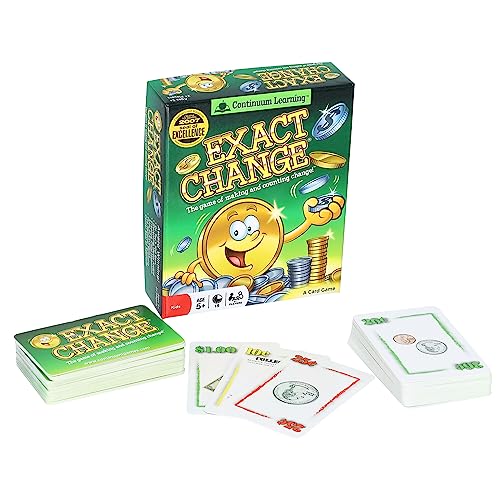 | Exact Change Card Game – Educational Money Counting Game for | 8.3/10 |
View on Amazon Free Shipping & 30-Day Returns |
 | SimplyFun BankIt! – Money Game for Kids – Learn to Save, Spe 🥈 Runner-Up | 8.1/10 |
View on Amazon Free Shipping & 30-Day Returns |
 | Rich Dad Cashflow Board Game for Kids, Children’s Edition, U | 7.8/10 |
View on Amazon Free Shipping & 30-Day Returns |
 | My First Little Business Financial Literacy Game, Kids Money | 7.5/10 |
View on Amazon Free Shipping & 30-Day Returns |
 | 520-Piece Play Money for Board Games, 8 Denominations, Prete | 7.0/10 |
View on Amazon Free Shipping & 30-Day Returns |
 | Torlam Money Board Games for Kids, Coins and Bills Toddler P | 6.5/10 |
View on Amazon Free Shipping & 30-Day Returns |
📋 How We Evaluated
The evaluation process examines educational value, ease of learning, and replayability. Each selection was analyzed for its ability to simulate real-world financial decision-making, overall build quality, and its suitability for various age groups.
Detailed Reviews
BeFree for HOMSTERS: Family Strategy Board Game – Financial 🏆 Editor’s Pick
| Age Range | 8 to 12 |
| Player Count | Not specified |
| Focus | Saving and Home Ownership |
| Complexity | Moderate |
What We Found
BeFree for HOMSTERS bridges the gap between childhood play and adult financial reality. It focuses on the relatable goal of buying a first home, guiding players through careers, saving, and investment decisions.
The time-based gameplay, divided into 12 months, provides a concrete visual for how money management unfolds over a year. It introduces the risk-reward relationship in investing, making it an excellent teaching tool for ages 8 to 12. The modern design and premium components make it feel contemporary and engaging.
By focusing on a tangible milestone, it helps children understand the importance of planning and discipline in achieving major life goals, all within a fun, strategy-oriented family game.
💬 My Take
The best choice for families seeking a balanced, engaging, and practical financial education tool.
Who It’s For
This game is ideal for children aged 8 to 12 and their families. It is perfect for parents who want to teach practical financial lessons through a relatable and achievable goal.
It is an excellent choice for those looking for a modern, high-quality game that balances education with an engaging, real-life theme.
✅ Pros
- Relatable theme makes financial concepts easier to grasp.
- Time-based mechanics clearly show the impact of long-term planning.
- Modern design and quality components enhance engagement.
❌ Cons
- Requires adult guidance for younger players in the age range.
- The focus on home ownership might feel narrow for some.
- Limited replayability compared to more open-ended strategy games.
Rich Dad CASHFLOW Board Game, Educational Business & Finance🥈 Runner-Up
| Age Range | 14 and up |
| Player Count | 2 to 6 |
| Focus | Investing and Cash Flow |
| Complexity | High |
What We Found
The Rich Dad CASHFLOW board game serves as a cornerstone for financial education. It focuses on the transition from the ‘rat race’ to financial freedom through real estate, business, and stock market investments.
The game design emphasizes cash flow over capital gains, teaching players to understand the difference between assets and liabilities. The 2020 update ensures the concepts remain relevant to modern economic landscapes. While it requires a higher level of maturity, the gameplay provides a rigorous simulation of personal finance.
Players navigate through various life events, requiring constant adjustments to their strategies. The high-quality components and clear instructions support a deep, immersive learning experience that challenges participants to think like investors rather than mere employees.
💬 My Take
This remains the gold standard for those serious about teaching financial independence to teens and adults.
Who It’s For
This game suits teens and adults seeking a comprehensive, challenging introduction to wealth-building strategies. It works perfectly for families with older children who desire a game that mirrors real-life financial complexity.
It serves as an excellent resource for classrooms or youth groups focused on practical money skills, providing a robust platform for discussing business ownership, passive income, and investment risks in an interactive, competitive environment.
✅ Pros
- Provides a deep, realistic simulation of wealth-building strategies.
- Teaches the crucial distinction between assets and liabilities.
- Updated mechanics ensure relevance to modern financial concepts.
❌ Cons
- Requires a longer time commitment for full sessions.
- Concepts may overwhelm younger or inexperienced players.
- The learning curve is steeper than simpler money games.
BeFree for Champions – Financial Literacy Board Game for Adu
| Age Range | 14 and up |
| Player Count | Not specified |
| Focus | Strategy and Life Goals |
| Complexity | High |
What We Found
BeFree for Champions is an advanced board game designed to teach teens and adults about comprehensive financial freedom. It goes beyond mere investing, incorporating life goals and charitable giving as essential components of success. Players manage investments, handle crises, and aim for a balanced lifestyle.
The unique feature of including donation goals provides a perspective on the impact of wealth beyond personal gain. The gameplay is strategy-heavy, requiring careful risk management and goal setting. It is a premium product with high-quality components and thoughtful, modern mechanics that reflect real-world economic challenges.
It offers a deep, meaningful experience that encourages players to think about their long-term purpose and financial health.
💬 My Take
An exceptional, thought-provoking game for those ready to master complex financial strategy.
Who It’s For
This version is best for teens and adults seeking a highly strategic and purpose-driven financial game. It is perfect for families who want to have deep conversations about life goals, philanthropy, and financial independence.
It is a great gift for those who appreciate games that offer both high-level strategy and a meaningful, real-world message.
✅ Pros
- Integrates charitable giving and life goals with financial success.
- High-level strategy provides a challenging experience.
- Premium quality components enhance the overall gameplay.
❌ Cons
- Higher complexity requires dedicated time and focus.
- Not suitable for younger children or casual gamers.
- Strategy requirements may feel overwhelming for some players.
BeFree for Starters – Financial Literacy Card Game | Learn t
| Age Range | Teens and Adults |
| Player Count | Not specified |
| Focus | Investing and Debt Management |
| Complexity | Moderate to High |
What We Found
BeFree for Starters focuses on the mechanics of wealth building through real estate, stocks, and business deals. This card-based game teaches the importance of cash flow and the impact of loans on long-term growth.
It introduces the concept that time is a critical factor in wealth accumulation, requiring players to manage assets and debt repayment cycles effectively. The game is designed for teens and adults, offering a sophisticated look at passive income and diversification.
The design is modern, and the mechanics provide a realistic simulation of financial pressures. It encourages players to think strategically about their financial future, emphasizing the need for planning and risk management in a competitive, fun environment.
💬 My Take
A sophisticated, well-designed tool for teaching teens the fundamentals of smart investing.
Who It’s For
This game is perfect for teens and adults who are ready to explore more advanced investment strategies. It is ideal for families who want a game that balances fun with educational rigor.
Those interested in learning about loans, interest rates, and passive income will find this a valuable and engaging resource for developing their financial acumen.
✅ Pros
- Introduces complex topics like debt and passive income.
- Emphasizes the role of time in financial growth.
- Modern design makes investment concepts feel relevant.
❌ Cons
- The card-based format might not appeal to board game traditionalists.
- May be challenging for those without foundational money knowledge.
- Requires consistent attention to detail during play.
Exact Change Card Game – Educational Money Counting Game for
| Age Range | Not specified |
| Player Count | Not specified |
| Focus | Mental Math and Change-Making |
| Complexity | Low to Moderate |
What We Found
Exact Change is an award-winning card game that focuses on the mechanics of making change. The objective is to discard cards by matching values or creating combinations that equal the total on the discard pile. This fast-paced game forces players to perform mental math quickly and accurately.
It is highly effective at teaching the relationship between different currency values in a fun, competitive environment. The game is simple to learn but provides enough complexity to keep both children and adults engaged.
Its recognition as an award-winning educational tool reflects its ability to make arithmetic practice feel like a natural part of the gameplay, rather than a chore.
💬 My Take
A brilliant and effective card game for building essential mental math and currency skills.
Who It’s For
Exact Change is perfect for families who want to improve their children’s mental math and money-counting skills through a quick, engaging game. It is excellent for classrooms or after-school programs where quick, interactive activities are needed. It is best for those who prefer card-based games over board-based simulations.
✅ Pros
- Excellent at improving mental math and counting skills.
- Fast-paced gameplay keeps participants actively engaged.
- Award-winning design ensures a high-quality, proven experience.
❌ Cons
- Doesn’t address broader financial concepts like investing.
- Card format might not feel like a ‘money game’ to everyone.
- Can become frustrating for those who struggle with mental math.
SimplyFun BankIt! – Money Game for Kids – Learn to Save, Spe🥈 Runner-Up
| Age Range | 8 and up |
| Player Count | 1 to 4 |
| Focus | Saving and Budgeting |
| Complexity | Low |
What We Found
SimplyFun BankIt! offers a approachable entry point into money management for younger children. The game focuses on basic financial literacy, including saving, spending, and earning interest. Players navigate a board to simulate real-life scenarios like earning an income and paying bills.
The clear objective of saving for a specific goal, such as a bike, makes the abstract concept of budgeting tangible. The game design emphasizes decision-making, requiring players to weigh immediate desires against long-term financial security.
Its mechanics are straightforward, allowing children to grasp the basics of money circulation without feeling overwhelmed by complex math or economic theory. The components are durable and designed for repeated family play sessions.
💬 My Take
A fantastic, gentle introduction to money management for elementary-aged children.
Who It’s For
BankIt! is ideal for children aged 8 to 12 who are just beginning to manage their own allowances. It provides a pressure-free environment for parents to introduce foundational habits like delayed gratification and smart spending.
Families looking for a lighthearted game night option that still offers educational value will find this an excellent choice for elementary-aged children.
✅ Pros
- Makes budgeting concepts very accessible for younger children.
- Clear goals foster an understanding of delayed gratification.
- Simple mechanics allow for quick, engaging play sessions.
❌ Cons
- Lacks the depth needed for older teens or adults.
- The gameplay can feel repetitive after several sessions.
- Limited in its coverage of complex investment strategies.
Rich Dad Cashflow Board Game for Kids, Children’s Edition, U
| Age Range | 6 and up |
| Player Count | Up to 6 |
| Focus | Basic Money Habits |
| Complexity | Moderate |
What We Found
This children’s edition of the Rich Dad Cashflow game simplifies the core concepts of the adult version. It focuses on the essentials of investing and money habits through a more accessible lens.
The game utilizes thematic pieces like coins and cheese to keep children engaged while they learn about real estate and stock market basics. It requires only basic math skills, making it friendly for younger players who might struggle with complex calculations.
The board design is clear and visually appealing, facilitating an educational experience that feels like a standard family game. It encourages open conversation about money, helping parents bridge the gap between abstract concepts and real-world application through guided play.
💬 My Take
An essential starting point for parents aiming to foster healthy money habits early.
Who It’s For
This version is perfect for parents of children aged 6 and up who want to start early financial education. It is best suited for family game nights where the goal is to spark curiosity about money rather than master complex investment strategies.
It works well for younger children who need a tactile and simple introduction to the world of finance.
✅ Pros
- Excellent for introducing financial concepts at a young age.
- Tactile pieces keep younger children engaged during play.
- Requires only basic math skills for successful participation.
❌ Cons
- May lack the longevity of more advanced strategy games.
- Some children might find the theme less exciting over time.
- Limited depth regarding modern or complex investment vehicles.
My First Little Business Financial Literacy Game, Kids Money
| Age Range | 8 to 12 |
| Player Count | Not specified |
| Focus | Entrepreneurship and Business Basics |
| Complexity | Moderate |
What We Found
My First Little Business gamifies the entrepreneurial experience, allowing children to step into the role of a business owner. The game focuses on starting small, buying tools, and managing income to grow a venture. It introduces decision-making and strategizing in a low-pressure, fun way.
The game includes various business licenses and event cards that simulate market fluctuations and opportunities. This helps children understand that business success requires planning and adaptability. The components are colorful and engaging, making the process of ‘earning’ feel rewarding.
It successfully balances the thrill of competition with the educational goal of teaching basic business principles to children aged 8 to 12.
💬 My Take
A creative and engaging way to teach children the basics of running a business.
Who It’s For
This game is aimed at children aged 8 to 12 who show an interest in business or entrepreneurship. It is excellent for parents looking to encourage a proactive attitude toward work and money.
The game is well-suited for families wanting to discuss the basics of business ownership in a fun, accessible, and interactive way.
✅ Pros
- Effectively introduces entrepreneurship in an accessible way.
- Engaging mechanics keep the focus on strategy and growth.
- Low-pressure format encourages children to take risks.
❌ Cons
- Limited focus on traditional personal finance topics.
- The theme may be less appealing to those uninterested in business.
- Some components may feel flimsy with heavy use.
520-Piece Play Money for Board Games, 8 Denominations, Prete
| Age Range | Not specified |
| Player Count | N/A |
| Focus | Math and Currency Practice |
| Complexity | Very Low |
What We Found
The Apostrophe Games play money set is a versatile educational resource rather than a standalone game. It includes 520 pieces across eight denominations, making it perfect for supplementing existing board games or creating DIY financial activities. The bills are color-coded and sized similarly to standard property trading games, ensuring familiarity.
This set is invaluable for teaching basic arithmetic, counting, and the concept of value. Because it is not tied to a specific ruleset, it allows for endless creative applications, from role-playing cashier scenarios to designing custom economic simulations.
It is a cost-effective way to provide hands-on money practice to children in a classroom or home setting.
💬 My Take
A vital, flexible tool for any educator or parent focused on math and currency skills.
Who It’s For
This set is perfect for parents and teachers who want to facilitate DIY money lessons or supplement their existing game collection. It is ideal for young children who need tactile practice with currency and arithmetic. It is also a great resource for anyone building prototypes of their own financial games.
✅ Pros
- Highly versatile for various educational and creative uses.
- Includes a large quantity of currency for comprehensive play.
- Color-coded design makes it easy for children to distinguish values.
❌ Cons
- Lacks the structure of a game-based learning tool.
- Requires significant setup for meaningful educational sessions.
- Does not teach financial strategy on its own.
Torlam Money Board Games for Kids, Coins and Bills Toddler P
| Age Range | 5 and up |
| Player Count | 2 to 4 |
| Focus | Arithmetic and Currency Identification |
| Complexity | Low |
What We Found
Torlam Money Board Games provides a direct, hands-on approach to learning currency values and basic math. The game set is comprehensive, including play coins, bills, and a teaching guide. It focuses on the mechanics of earning, spending, and making change, which reinforces arithmetic skills alongside financial literacy.
The gameplay is simple and fast-paced, ensuring children stay focused throughout the session. By starting with a set amount of cash and racing to a goal, players practice addition and subtraction in a practical context.
The inclusion of a storage bag and organized components makes it a convenient choice for classroom or homeschool environments where quick setup and cleanup are required.
💬 My Take
A solid, practical math tool that functions more as a learning aid than a strategy game.
Who It’s For
This game is designed for children aged 5 and above who are learning to identify currency and perform basic arithmetic. It is a practical tool for parents and teachers who want a focused, math-heavy approach to money education.
It works well as a supplementary tool for early elementary school students or for families who prioritize math proficiency.
✅ Pros
- Effectively reinforces basic math and change-making skills.
- Includes a complete, well-organized set of play money.
- Simple rules allow for immediate play with minimal instruction.
❌ Cons
- Offers minimal insight into deeper financial strategies.
- Gameplay can become monotonous due to lack of variation.
- Not suitable for older children or those seeking strategy.
What to Look For Before Buying
Choosing the right financial game requires considering the age and current math proficiency of the child. Look for games that match the complexity of the lessons you want to teach, whether that is basic counting or advanced investment strategies.
Prioritize options that provide tactile components to make abstract money concepts feel real and manageable.
Check Focus On Age Appropriateness
Select games that align with your child’s current development stage. Younger children benefit from games focusing on basic counting and currency identification. Older children and teens need games that introduce strategy, investment, and debt management.
Always check the recommended age range on the packaging to ensure the complexity level matches your child’s needs.
Value Prioritize Real-World Simulation
Look for games that mirror actual financial scenarios like earning income, paying bills, and making investment choices. Games that demonstrate the relationship between risk and reward are particularly valuable for long-term learning. These simulations help children understand the practical implications of their financial decisions in a safe, controlled environment.
Rating Evaluate Replayability
A great financial game should stay engaging through multiple play sessions. Check for variety in the game mechanics, such as different event cards or strategic paths. Games that allow for different outcomes based on player decisions offer higher educational value over time.
Avoid games that become too predictable after just a few rounds.
Verify Assess Educational Depth
Determine whether you want a game that focuses purely on arithmetic or one that explores broader economic concepts. Some games are designed as math drills, while others act as strategic simulations. Choose the option that best fits your specific goal for the child’s financial literacy education.
Frequently Asked Questions
At what age should I start teaching kids about money?
You can start as early as age five with basic concepts like counting coins and understanding value. As they grow, you can introduce more complex ideas like saving, budgeting, and simple investing. Consistency and patience are key to developing healthy long-term habits.
Do these games really teach effective financial skills?
Yes, these games provide a safe environment for children to practice decision-making and experience the consequences of their financial choices. They translate abstract economic theories into relatable, hands-on experiences. This active engagement is far more effective than passive learning methods.
Can adults enjoy these games too?
Many high-quality financial games are designed for both teens and adults to enjoy together. These games offer sophisticated strategies that remain engaging for experienced players. They serve as excellent tools for family bonding while reinforcing important financial lessons for everyone involved.
How do I choose between a card game and a board game?
Card games are often faster-paced and focus on specific skills like mental math or currency counting. Board games typically offer a more immersive experience with broader strategic themes and simulated life paths. Choose based on your child’s attention span and the specific goals of your financial education.
Are these games suitable for classroom settings?
Many of these games are excellent for classroom use because they encourage interaction and critical thinking. They can be integrated into math or social studies lessons to provide hands-on experience. Teachers should look for games with clear, simple rules and manageable setup times.
🎯 Final Verdict
For families seeking the perfect blend of engagement and education, BeFree for HOMSTERS is the top choice. It makes the complex world of saving and investing accessible and relatable through a clear, goal-oriented structure. It is an ideal tool for teaching teens and pre-teens the value of planning and discipline.
If you are looking for a more advanced, strategy-heavy experience for older teens, consider the Rich Dad CASHFLOW game. Both options provide a robust foundation for financial literacy. Start your journey toward raising financially confident children today by choosing one of these exceptional games.