Finding engaging board games for three-year-olds can be a struggle. Many options require focus levels that toddlers have not yet developed. I look for games that balance simplicity with enough fun to keep a child sitting still for more than five minutes.
A quality toddler game should avoid complex rules or reading requirements. I suggest looking for vibrant visuals, tactile pieces, and short play sessions. These elements help children practice turn-taking, counting, and color matching without feeling overwhelmed by instructions.
⚡ Quick Verdict
List of Best Board Games For 3yr Olds
| Image | Product | Score | Link |
|---|---|---|---|
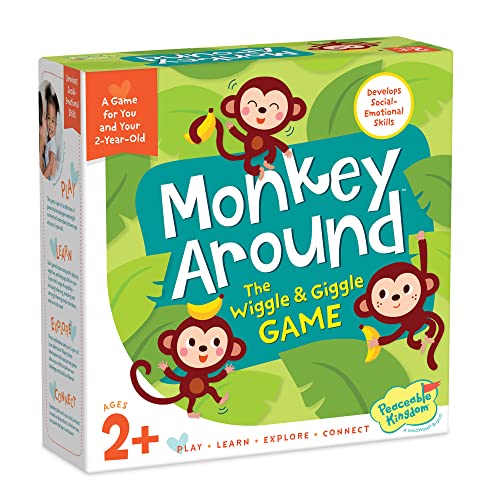 | Peaceable Kingdom Monkey Around First Game for Toddlers Inte 🏆 Editor’s Pick | 9.5/10 |
View on Amazon Free Shipping & 30-Day Returns |
 | Hasbro Gaming Candy Land Kingdom of Sweet Adventures Board G 🥈 Runner-Up | 9.2/10 |
View on Amazon Free Shipping & 30-Day Returns |
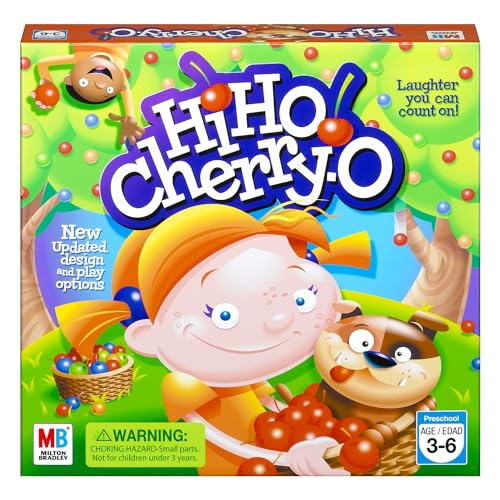 | Hasbro Gaming Hi Ho Cherry-O Board Game for 2 to 4 Players K 💰 Best Value | 8.8/10 |
View on Amazon Free Shipping & 30-Day Returns |
 | Hasbro Gaming Candy Land Bluey Edition Board Game | Ages 3 a | 8.5/10 |
View on Amazon Free Shipping & 30-Day Returns |
 | Hasbro Gaming Chutes and Ladders: Marvel Spider-Man Edition | 8.0/10 |
View on Amazon Free Shipping & 30-Day Returns |
 | Hasbro® Don’t Break The Ice Game, Classic Version for Ages 3 | 7.9/10 |
View on Amazon Free Shipping & 30-Day Returns |
 | Hasbro Gaming Chutes and Ladders Board Game, 2 to 4 Players, | 7.8/10 |
View on Amazon Free Shipping & 30-Day Returns |
 | Hasbro Gaming Ants in The Pants Preschool Game for Kids Ages | 7.7/10 |
View on Amazon Free Shipping & 30-Day Returns |
 | Let’s Go Fishin’ Game by Pressman – The Original Fast-Action 🏆 Editor’s Pick | 7.5/10 |
View on Amazon Free Shipping & 30-Day Returns |
 | Hasbro Gaming Don’t Spill The Beans Game for Kids, Easy and | 7.2/10 |
View on Amazon Free Shipping & 30-Day Returns |
📋 How We Evaluated
Evaluations focused on age-appropriateness, durability of components, and educational value. We analyzed how each game promotes social interaction and basic cognitive development for toddlers.
Detailed Reviews
Peaceable Kingdom Monkey Around First Game for Toddlers Inte🏆 Editor’s Pick
| Player Count | 2+ |
| Theme | Movement |
| Age Rating | 2+ |
| Mechanism | Active prompts |
What We Found
Monkey Around is a refreshing departure from traditional board games, focusing on physical movement and interaction. The deck of cards prompts children and parents to perform simple actions like hugging, balancing, or jumping.
This active play style makes it perfect for high-energy toddlers who struggle to sit still for long periods. The inclusion of a beanbag banana adds a tactile element that kids love. The game is well-designed to improve gross motor skills and spatial awareness in a safe, guided way.
Because it is cooperative rather than competitive, it removes the stress of losing and fosters a positive bonding experience. The high-quality cards and components ensure it lasts through many active play sessions.
💬 My Take
I would pick this because it prioritizes bonding and physical development over rigid rules.
Who It’s For
This game is best for active toddlers who need to move and parents who want to engage them physically. It is an excellent choice for families looking for an interactive experience that builds gross motor skills and vocabulary.
Because it emphasizes cooperation, it is also great for children who get discouraged by the competitive nature of traditional board games.
✅ Pros
- Encourages healthy physical activity.
- Cooperative gameplay avoids frustration.
- Excellent for developing motor skills.
❌ Cons
- Requires space to move around.
- May be too chaotic for small rooms.
- Not a traditional board game experience.
Hasbro Gaming Candy Land Kingdom of Sweet Adventures Board G🥈 Runner-Up
| Player Count | 2-4 |
| Theme | Candy Kingdom |
| Age Rating | 3+ |
| Mechanism | Color matching |
What We Found
Candy Land is the definitive entry point for young gamers due to its color-coded movement system. By removing the need for reading or complex arithmetic, it allows toddlers to focus entirely on the core mechanics of board movement. The board features bright, whimsical illustrations that capture a child’s imagination immediately.
The components are durable enough to withstand the rough handling typical of a three-year-old. Because players simply match colors, the game is incredibly intuitive and prevents frustration. It provides a structured way for children to learn how to follow paths and accept losing a turn occasionally.
The game is a staple for a reason, as it reliably delivers a consistent and sweet experience for the youngest players.
💬 My Take
I consider this the gold standard for a first game, offering a simple and rewarding experience.
Who It’s For
This game is ideal for parents who want a stress-free introduction to tabletop gaming. It works perfectly for children who are just starting to recognize colors and follow basic rules. Because no reading is required, it allows for independent play once the rules are understood.
It serves as a great tool for teaching patience and the concept of taking turns in a gentle, welcoming environment.
✅ Pros
- Requires zero reading skills.
- Teaches basic color recognition.
- Durable and visually appealing board.
❌ Cons
- Gameplay can feel repetitive for adults.
- Luck-based with no real strategy.
- Board can wear at the folds.
Hasbro Gaming Hi Ho Cherry-O Board Game for 2 to 4 Players K💰 Best Value
| Player Count | 2-4 |
| Theme | Fruit Picking |
| Age Rating | 3+ |
| Mechanism | Spin and collect |
What We Found
Hi Ho Cherry-O effectively turns basic math into a tactile fruit-picking game. Players take turns spinning and gathering plastic fruit, which helps build fine motor skills while reinforcing counting. The game is straightforward and provides immediate visual feedback on how well a player is doing.
It introduces basic addition and subtraction concepts in a way that feels organic rather than like a lesson. The pieces are small but colorful, making them attractive to young eyes.
While the game relies on luck via the spinner, the physical action of filling the basket provides a sense of accomplishment. It is highly durable and can withstand frequent use in both home and classroom settings without showing significant wear.
💬 My Take
I would shortlist this as a brilliant educational tool that hides math practice inside a fun experience.
Who It’s For
Hi Ho Cherry-O is perfect for toddlers who enjoy hands-on activities and are ready to practice basic counting skills. It is an excellent choice for parents looking for a game that blends educational math concepts with simple, rewarding gameplay.
The game is particularly well-suited for a classroom or home environment where children can play together while learning to count their pieces.
✅ Pros
- Reinforces basic math skills.
- Tactile gameplay is very engaging.
- Simple rules for quick learning.
❌ Cons
- Small fruit pieces are easily lost.
- Spinner can be slightly flimsy.
- Luck-heavy gameplay.
Hasbro Gaming Candy Land Bluey Edition Board Game | Ages 3 a
| Player Count | 2-6 |
| Theme | Bluey |
| Age Rating | 3+ |
| Mechanism | Color matching |
What We Found
The Bluey edition of Candy Land brings a modern, popular theme to a classic game. Featuring characters like Bluey, Bingo, and Muffin, it instantly appeals to young fans of the show. The mechanics remain identical to the original Candy Land, ensuring it is just as easy to learn and play.
The addition of special cards like ‘Dance Mode’ adds a fun, interactive twist that encourages kids to get up and move. The artwork is vibrant and captures the spirit of the show perfectly. The cardboard movers are sturdy enough for regular play, and the board design is clear.
It is a great way to modernize a classic while keeping the simplicity that makes it perfect for preschoolers.
💬 My Take
My take is that this is a fantastic update to a classic.
Who It’s For
This game is ideal for toddlers who love Bluey and want to see their favorite characters on the game board. It is perfect for parents who want the simplicity of Candy Land but with a theme that feels fresh and exciting for their children.
The active cards make it a great choice for kids who need a little extra engagement during play.
✅ Pros
- Engaging Bluey theme.
- Interactive ‘Dance Mode’ cards.
- Supports up to six players.
❌ Cons
- Gameplay is identical to original.
- Cardboard movers may wear down.
- Luck-based, no strategy.
Hasbro Gaming Chutes and Ladders: Marvel Spider-Man Edition
| Player Count | 2-4 |
| Theme | Spider-Man |
| Age Rating | 3+ |
| Mechanism | Grid movement |
What We Found
The Spider-Man edition of Chutes and Ladders brings a popular superhero theme to a classic climbing and sliding game. By replacing traditional ladders with webs, it keeps the core mechanics intact while adding a fresh visual coat.
Eight character movers allow kids to play as their favorite heroes, which significantly increases engagement. The board uses numerals, providing a subtle way for children to practice number recognition during play. The quality of the cardboard is standard for modern board games, though the plastic movers are sturdy.
It offers a great way to introduce vertical movement concepts on a game board. The absence of reading requirements makes it accessible for preschoolers, ensuring they can play without constant help.
💬 My Take
My read is that this thematic update makes counting practice feel like an adventure.
Who It’s For
This game suits children who love superheroes and enjoy the excitement of climbing and sliding mechanics. It is perfect for families looking to introduce basic counting and number recognition through a familiar, exciting theme.
The game works well for toddlers who are beginning to understand the concept of consequences, such as sliding down a chute after a misstep.
✅ Pros
- Engaging superhero theme.
- Helps with number recognition.
- Durable character movers.
❌ Cons
- Gameplay is purely luck-based.
- Games can last longer than attention spans.
- Chute mechanic can frustrate some children.
Hasbro® Don’t Break The Ice Game, Classic Version for Ages 3
| Player Count | 2-4 |
| Theme | Arctic |
| Age Rating | 3+ |
| Mechanism | Dexterity |
What We Found
Don’t Break The Ice creates a high-tension experience that toddlers find incredibly amusing. The goal is to tap out ice blocks one by one without causing the penguin to fall. This requires a surprising amount of fine motor control and concentration for a three-year-old.
The suspense builds as the structure becomes unstable, leading to a satisfying ‘ker-plop’ when the penguin eventually falls. The plastic components are well-made and fit together securely enough for repeated setups. It is simple to reset, which is critical for toddlers who want to play again immediately.
The game is short, punchy, and provides a great lesson in cause and effect, though it may be too simple for older children.
💬 My Take
My take is that this simple dexterity game delivers big laughs and teaches focus.
Who It’s For
This game is ideal for toddlers who enjoy suspenseful play and have the patience to carefully tap out pieces. It is perfect for short game sessions where you want to emphasize motor control and focus.
The game is also a great choice for parents who want a quick, easy-to-setup activity that can be played in under ten minutes.
✅ Pros
- Builds focus and fine motor skills.
- High-tension, exciting gameplay.
- Quick setup and teardown.
❌ Cons
- Setup can be tedious for adults.
- Plastic legs can be fragile.
- Limited replay value after many rounds.
Hasbro Gaming Chutes and Ladders Board Game, 2 to 4 Players,
| Player Count | 2-4 |
| Theme | Classic |
| Age Rating | 3+ |
| Mechanism | Grid racing |
What We Found
This classic version of Chutes and Ladders provides the same reliable experience as the themed edition but with traditional artwork. The focus remains on the race to the top, using the spinner to determine movement.
It is a straightforward counting game that helps children familiarize themselves with numbers one through one hundred. The board is sturdy and the pawns are easy for small hands to grasp.
It remains a fantastic tool for teaching children how to deal with setbacks, as sliding down a chute is a natural part of the game. The simplicity allows parents to guide children through basic counting while maintaining a steady pace. It is a timeless choice for any family game collection.
💬 My Take
My read is that this is the classic experience you remember for teaching patience.
Who It’s For
This game is perfect for parents who prefer a traditional, distraction-free board game experience. It is ideal for children who are learning to count and are ready to practice following simple, sequential rules.
The game is also a great choice for families who want a reliable, classic game that has been tested by generations of players.
✅ Pros
- Classic, reliable gameplay.
- Teaches basic counting skills.
- Durable, long-lasting components.
❌ Cons
- Purely luck-based.
- Games can feel quite long.
- Slightly outdated visual style.
Hasbro Gaming Ants in The Pants Preschool Game for Kids Ages
| Player Count | 2-4 |
| Theme | Ants/Panda |
| Age Rating | 3+ |
| Mechanism | Action/Launching |
What We Found
Ants in the Pants is a fast-action game that focuses on physical coordination and speed. Players launch plastic ants into a pair of panda pants, which is naturally hilarious to toddlers. The game is simple, chaotic, and provides a great outlet for energy.
Because everyone plays at the same time, it avoids the boredom of waiting for a turn. The components are colorful and durable, though the mechanism requires a bit of practice to master. It is a fantastic game for developing gross motor skills and hand-eye coordination in a high-energy environment.
While it can be messy if pieces fly everywhere, the sheer fun factor makes it a staple for active preschool play sessions.
💬 My Take
I would look at this if you want a silly, fast-paced game that guarantees laughs.
Who It’s For
This game is perfect for high-energy toddlers who want to play and laugh with friends or family. It is best for children who enjoy active, hands-on games that don’t require sitting still for long.
It is an excellent choice for a playdate or a rainy day activity where kids need to burn off some extra energy in a fun, controlled way.
✅ Pros
- Very active and high-energy.
- Fun, hilarious theme for kids.
- No waiting for turns.
❌ Cons
- Ants can get lost easily.
- Requires a bit of space to play.
- Can be a bit chaotic for some.
Let’s Go Fishin’ Game by Pressman – The Original Fast-Action🏆 Editor’s Pick
| Player Count | 1-4 |
| Theme | Fishing |
| Age Rating | 4+ |
| Mechanism | Rotating pond |
What We Found
Let’s Go Fishin’ is a fast-paced classic that tests reflexes and coordination. The rotating pond adds a layer of excitement that keeps children focused on catching the plastic fish. Because the fish mouths open and close randomly, the game remains unpredictable for young players.
The build quality is decent, though the motor can be loud during extended sessions. It supports up to four players, making it a viable option for small groups or family time. While the age rating suggests four and up, many three-year-olds can handle the fishing poles with minor adult assistance.
The game successfully creates a sense of urgency that toddlers find thrilling, though the small plastic pieces require adult supervision to prevent accidental ingestion.
💬 My Take
I would pick this for the nostalgia, but keep a close eye on the small parts during play.
Who It’s For
This game is perfect for toddlers who enjoy active play and have developed the basic motor skills to hold a small fishing pole. It is an excellent choice for families seeking a high-energy activity that moves away from traditional board-based formats.
The competitive nature of catching the most fish can teach basic counting, while the physical act of fishing helps refine precision and hand-eye coordination in a fun, low-pressure environment.
✅ Pros
- Develops essential hand-eye coordination.
- Fast-paced gameplay holds short attention spans.
- Supports multiple players for social interaction.
❌ Cons
- Motor noise can become distracting.
- Small parts pose a choking hazard.
- Requires batteries not included.
Hasbro Gaming Don’t Spill The Beans Game for Kids, Easy and
| Player Count | 2 |
| Theme | Balance |
| Age Rating | 3+ |
| Mechanism | Dexterity |
What We Found
Don’t Spill The Beans is a suspenseful balancing game that requires steady hands and patience. Players place plastic beans onto a wobbly jar, trying to avoid tipping it over. The game is simple to learn but becomes progressively more challenging as the jar fills up.
It is a great test of fine motor skills and spatial awareness for three-year-olds. The pieces are colorful and engaging, though the small beans require careful storage to avoid losing them. The game supports two players, making it a focused activity for a parent and child.
It provides a fun, low-stakes way to practice delicate movements and observe how gravity affects the game board as the weight shifts.
💬 My Take
I think this is a delightful balancing game that tests steady hands.
Who It’s For
This game is perfect for toddlers who enjoy balancing challenges and have the motor control to place pieces carefully. It works well for one-on-one time between a parent and a child.
The game is also a great choice for families looking for a short, suspenseful activity that focuses on dexterity and coordination rather than counting or strategy.
✅ Pros
- Develops fine motor control.
- Simple, easy-to-understand rules.
- Suspenseful and engaging for toddlers.
❌ Cons
- Only supports two players.
- Small pieces are easy to lose.
- Limited depth for older kids.
What to Look For Before Buying
Selecting a game for a three-year-old requires balancing simplicity with engagement. Look for short play times to match shorter attention spans. Prioritize durable materials that can withstand accidental drops. Finally, ensure the game teaches foundational skills like counting.
Check Focus on Simplicity and Rules
Toddlers struggle with complex instructions. Choose games that explain rules in under a minute. Avoid games that require reading. Simple color matching is ideal.
Value Durability of Components
Young children are still learning how to handle delicate objects. Look for thick cardboard boards and sturdy plastic pieces. Avoid games with tiny, fragile parts that could break or present a choking hazard. High-quality materials ensure the game survives more than a few play sessions.
Rating Engagement and Interaction
The best toddler games encourage interaction between the parent and child. Look for themes that your child already enjoys, such as animals or popular cartoons. Cooperative games can be particularly effective at this age. They reduce the frustration of losing and promote a positive bonding experience.
Verify Developmental Benefits
Games are excellent tools for building skills. Look for those that reinforce counting or motor control. A good game makes practice feel like fun.
Frequently Asked Questions
Can three-year-olds really play board games?
Yes, but they need games designed for their level. Look for titles emphasizing colors or simple counting.
What should I do if my child gets frustrated?
Frustration is normal. Try playing cooperatively to model good sportsmanship. Remind them that the goal is fun.
How long should a game session last?
Aim for games that last between five and fifteen minutes. Toddlers have limited attention spans, and keeping sessions short prevents boredom. You can always play another round if they remain interested.
Are there games that help with motor skills?
Absolutely, many games specifically target fine or gross motor skills. Balancing games improve dexterity, while movement-based games enhance coordination. These are excellent for active toddlers.
Is reading required for these games?
None of the games recommended here require reading. They use colors, symbols, or numbers to guide gameplay. This makes them perfectly accessible for preschoolers who are still learning to read.
🎯 Final Verdict
For the best board games for 3yr olds, Monkey Around is the clear winner for its focus on physical activity and cooperative play. It breaks the mold of sedentary gaming and builds essential motor skills through fun, guided movement.
If you prefer a more traditional experience, Candy Land remains an unbeatable introduction to tabletop gaming for any toddler. Both choices provide a stress-free environment that fosters learning through play. Start with Monkey Around to get them moving, then add Candy Land to your collection for quiet afternoons.
Explore these options today.