Introducing your toddler to their first board game is a milestone in family play. Whether you are looking for classic favorites like Candy Land or active, movement-based challenges like Monkey Around, these games bridge the gap between simple entertainment and essential motor skill development for your youngest players.
I evaluated these ten options based on their specific gameplay mechanics, ranging from cooperative fruit-picking to fast-action fishing. I focused on ease of use, durability, and whether the setup requires literacy or simple turn-taking, ensuring you find the right fit for your child’s current development stage.
⚡ Quick Verdict
List of Best Board Game For Toddlers
| Image | Product | Score | Link |
|---|---|---|---|
 | HABA My Very First Games – First Orchard Toddler Game – My F 🏆 Editor’s Pick | 9.5/10 |
View on Amazon Free Shipping & 30-Day Returns |
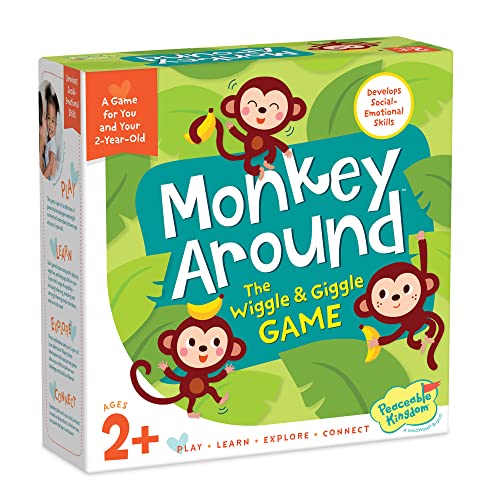 | Peaceable Kingdom Monkey Around First Game for Toddlers Inte 🥈 Runner-Up | 9.2/10 |
View on Amazon Free Shipping & 30-Day Returns |
 | Hasbro® Don’t Break The Ice Game, Classic Version for Ages 3 | 8.1/10 |
View on Amazon Free Shipping & 30-Day Returns |
 | Let’s Go Fishin’ Game by Pressman – The Original Fast-Action 🏆 Editor’s Pick | 7.8/10 |
View on Amazon Free Shipping & 30-Day Returns |
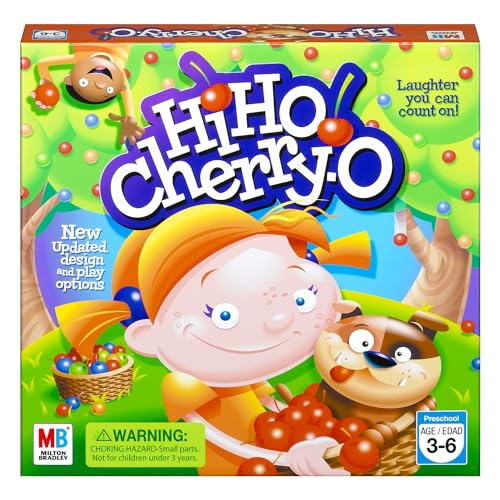 | Hasbro Gaming Hi Ho Cherry-O Board Game for 2 to 4 Players K | 7.6/10 |
View on Amazon Free Shipping & 30-Day Returns |
 | Hasbro Gaming Candy Land Kingdom of Sweet Adventures Board G 🥈 Runner-Up | 7.5/10 |
View on Amazon Free Shipping & 30-Day Returns |
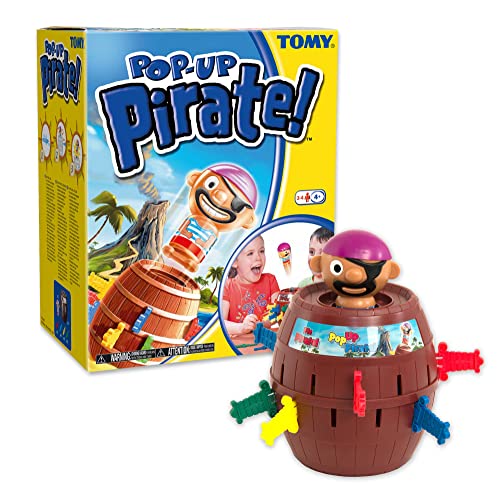 | TOMY Pop Up Pirate Family Action Game – 2-4 Players – Ages 4 | 7.4/10 |
View on Amazon Free Shipping & 30-Day Returns |
 | Hasbro Gaming Don’t Spill The Beans Game for Kids, Easy and | 7.3/10 |
View on Amazon Free Shipping & 30-Day Returns |
 | Hasbro Gaming Chutes and Ladders Board Game, 2 to 4 Players, | 7.2/10 |
View on Amazon Free Shipping & 30-Day Returns |
 | Hasbro Gaming Cootie Mixing and Matching Bug-Building Game | | 7.0/10 |
View on Amazon Free Shipping & 30-Day Returns |
📋 How We Evaluated
These selections were evaluated based on playability for young children, material durability, and educational value. We also assessed the simplicity of rules and overall engagement potential for toddlers aged two to four.
Detailed Reviews
HABA My Very First Games – First Orchard Toddler Game – My F🏆 Editor’s Pick
| Players | 1-4 |
| Recommended Age | 2+ |
| Mechanism | Cooperative harvest |
| Skills | Social skills and counting |
What We Found
My First Orchard is a cooperative game where players work together to harvest fruit before a raven reaches the orchard. The components are crafted from high-quality, sustainable wood and are sized perfectly for small hands.
This game introduces the concepts of turn-taking and following simple rules in a supportive, team-based environment. Because everyone wins or loses together, it minimizes the emotional distress associated with losing. The color die and wooden fruit help reinforce basic math skills like counting and color matching.
Educators designed this game to be a developmentally appropriate entry point for toddlers. Its durability ensures it can withstand years of play, making it a reliable investment for families with multiple young children.
💬 My Take
The gold standard for toddler games. It teaches teamwork and patience with beautiful, long-lasting components.
Who It’s For
This game is ideal for families who want to teach cooperation and social skills without the pressure of competition. It is perfect for toddlers who are beginning to learn how to follow directions and work in a group.
The high-quality materials make it a great choice for parents who value sustainable and durable toys that will last through years of development.
✅ Pros
- Cooperative gameplay prevents frustration and teaches teamwork.
- Durable, sustainable wooden components are safe and high-quality.
- Reinforces counting and color recognition naturally.
❌ Cons
- The cooperative nature may not appeal to competitive kids.
- Price point is higher than standard mass-market games.
- Limited replay value once the child masters the rules.
Peaceable Kingdom Monkey Around First Game for Toddlers Inte🥈 Runner-Up
| Players | 2+ |
| Recommended Age | 2+ |
| Mechanism | Prompt-based physical actions |
| Skills | Gross motor development |
What We Found
Monkey Around is designed specifically for toddlers who need to move their bodies while playing. The game includes a deck of cards that prompt parents and children to perform simple physical tasks. These tasks include balancing, hopping, marching, and giving hugs.
The inclusion of a beanbag banana adds a tactile element that children find highly engaging. It is an award-winning title that prioritizes physical development and parent-child interaction over competition. The rules are flexible, allowing parents to adjust the difficulty based on the child’s current abilities.
It excels at building gross motor skills and spatial awareness in a fun, non-threatening way. This game successfully bridges the gap between structured play and free-form physical activity for the youngest gamers.
💬 My Take
A brilliant approach to gaming that gets toddlers moving. It is the perfect choice for energetic two-year-olds.
Who It’s For
This game is best for high-energy toddlers who struggle to sit still for traditional board games. It is specifically tailored for two-year-olds and their parents to enjoy together.
It serves as an excellent tool for developing gross motor skills and vocabulary while strengthening the bond between parent and child through active, shared play experiences.
✅ Pros
- Encourages essential physical movement and coordination.
- Designed specifically for the youngest toddlers.
- Promotes positive parent-child bonding through play.
❌ Cons
- Requires active adult participation throughout.
- Not a game children can play alone.
- Requires a bit of open space to play effectively.
Hasbro® Don’t Break The Ice Game, Classic Version for Ages 3
| Players | 2-4 |
| Recommended Age | 3+ |
| Mechanism | Stacking and removal |
| Skills | Fine motor control |
What We Found
Don’t Break The Ice is a classic game of suspense that requires careful motor control. Players take turns tapping out ice blocks while trying to keep a penguin figurine on top. The tension builds as the structure becomes less stable with each removed block.
This game teaches cause and effect as children observe how removing specific pieces affects the balance of the whole. It is simple to set up and provides immediate, satisfying results. The game is best for toddlers who can control their force when tapping with the provided hammers.
It offers a fun, high-stakes experience that keeps children engaged during short play sessions. The game is durable enough for repeated play and supports multiple players for family nights.
💬 My Take
A fun, high-tension classic that teaches physical planning. It is a great test of a toddler’s steady hand.
Who It’s For
This game is for children who enjoy a bit of suspense and have the fine motor control to perform precise actions. It is suitable for toddlers who can understand simple rules and are ready to manage the frustration of a structure falling.
It works well for parents looking for a quick, interactive game that promotes focus and basic physical planning.
✅ Pros
- Builds focus and fine motor precision.
- Provides immediate feedback through cause and effect.
- Easy to learn and quick to reset.
❌ Cons
- Can be frustrating for toddlers with limited motor skills.
- Setup can become tedious for parents after many rounds.
- Small pieces can be easily misplaced or lost.
Let’s Go Fishin’ Game by Pressman – The Original Fast-Action🏆 Editor’s Pick
| Players | 1-4 |
| Recommended Age | 4+ |
| Mechanism | Rotating pond |
| Skills | Hand-eye coordination |
What We Found
The Let’s Go Fishin’ game is a classic action-oriented title that challenges players to catch moving fish. The rotating pond adds a layer of excitement that keeps toddlers focused on the task. Players must use mini fishing poles to hook fish that open and close their mouths.
This mechanic is excellent for refining fine motor skills and hand-eye coordination. The build quality is consistent with the original version many adults remember from childhood. It supports up to four players, making it suitable for small groups or siblings.
The game requires patience and steady hands, which provides a rewarding challenge for children ages four and up. It remains a staple for those seeking active, fast-paced play in a compact tabletop format.
💬 My Take
A nostalgic and high-energy game that excels at improving physical dexterity. It is a solid choice for active playrooms.
Who It’s For
This game is perfect for active toddlers who enjoy hands-on play and immediate feedback. It is best suited for children who are developing their fine motor skills and can handle the challenge of a moving target.
The game works well for family game nights where a quick, high-energy activity is desired. Because it requires no reading, it is accessible for younger children, though the dexterity requirement makes it better for the upper end of the toddler age range.
✅ Pros
- Develops fine motor skills through active fishing mechanics.
- Engaging, fast-paced gameplay keeps children focused.
- Simple to learn with no reading required.
❌ Cons
- Requires batteries which are not always included.
- Small parts may be a choking hazard for younger siblings.
- Can be noisy during extended play sessions.
Hasbro Gaming Hi Ho Cherry-O Board Game for 2 to 4 Players K
| Players | 2-4 |
| Recommended Age | 3+ |
| Mechanism | Counting and collection |
| Skills | Basic math and counting |
What We Found
Hi Ho Cherry-O is a counting-based board game that helps children practice basic math in a fun way. Players pick pretend fruit from their trees and fill their buckets based on the results of a spinner.
The game reinforces counting, addition, and subtraction as players add or remove fruit from their baskets. It is a straightforward race to see who can fill their basket first. The colorful pieces are attractive and easy for toddlers to manipulate.
The game helps children learn how to follow a sequence and handle the outcome of a random spinner. It is an excellent educational tool disguised as a simple, engaging board game for preschoolers.
💬 My Take
A solid educational game that turns math into a fun activity. It is a reliable choice for early number recognition.
Who It’s For
This game is for children who are beginning to learn numbers and enjoy tactile sorting activities. It is ideal for parents who want to incorporate educational math practice into their playtime.
It works well for kids who are ready for more structured, turn-based gameplay that involves simple counting and following directions on a spinner.
✅ Pros
- Integrates math practice into fun gameplay.
- Simple rules are easy for preschoolers to follow.
- Encourages fine motor skills through fruit placement.
❌ Cons
- Many small pieces can lead to clutter.
- The spinner can be fragile with heavy use.
- Gameplay is purely luck-based with no strategy.
Hasbro Gaming Candy Land Kingdom of Sweet Adventures Board G🥈 Runner-Up
| Players | 2-4 |
| Recommended Age | 3+ |
| Mechanism | Card-driven movement |
| Skills | Color recognition |
What We Found
Candy Land is a foundational board game that relies on color recognition rather than reading or counting. Players navigate a path to the castle by drawing cards and moving their pawn to the matching color. This simple system ensures that even the youngest players can participate independently.
The board features bright, whimsical illustrations that naturally appeal to toddlers. Because there is no strategy involved, every player has an equal chance of winning, which reduces frustration during play. The game teaches basic turn-taking and patience as children wait for their turn to draw.
It serves as an excellent introduction to the concept of following rules and moving pieces along a defined track in a race-style format.
💬 My Take
The ultimate starter game that makes board gaming accessible. It is a classic that belongs in every household.
Who It’s For
This is an ideal choice for parents introducing their child to the world of board games for the first time. It works well for toddlers who are just beginning to recognize colors and want to follow a story-like path.
It is perfect for families who want a stress-free game that focuses on fun and simple progression rather than competition or complex math.
✅ Pros
- No reading or counting required for play.
- Bright visuals capture young children’s attention.
- Simple mechanics prevent frustration for beginners.
❌ Cons
- Gameplay can feel repetitive for older participants.
- Lacks long-term strategic depth.
- The board can be somewhat flimsy with frequent use.
TOMY Pop Up Pirate Family Action Game – 2-4 Players – Ages 4
| Players | 2-4 |
| Recommended Age | 4+ |
| Mechanism | Randomized trigger |
| Skills | Turn-taking and patience |
What We Found
Pop Up Pirate is a high-suspense action game where players take turns inserting swords into a barrel. The goal is to avoid the slot that triggers the pirate to pop out. It is a simple, nerve-wracking game that keeps toddlers on the edge of their seats.
The excitement of the pirate flying into the air is a huge hit with children. The game is entirely random, ensuring that every round is different. It is easy to set up and requires no reading, making it suitable for younger players.
It helps children practice turn-taking and patience as they wait for their turn to insert a sword. The durable construction handles the repeated popping mechanism well over time.
💬 My Take
A classic suspense game that delivers big thrills. It is a guaranteed hit for high-energy playdates.
Who It’s For
This game is best for toddlers who enjoy suspenseful, high-energy games. It is perfect for families who want a quick, exciting activity for game night.
It is suitable for children who are developing their ability to wait for a turn and can handle the surprise of the pirate popping out without getting scared.
✅ Pros
- High-excitement gameplay keeps children engaged.
- Simple mechanics are easy to learn.
- Durable mechanism provides consistent fun.
❌ Cons
- The surprise pop can be startling for some toddlers.
- No educational benefit beyond social interaction.
- Can become repetitive after several rounds.
Hasbro Gaming Don’t Spill The Beans Game for Kids, Easy and
| Players | 2 |
| Recommended Age | 3+ |
| Mechanism | Balancing and stacking |
| Skills | Fine motor control |
What We Found
Don’t Spill The Beans is a balancing game that challenges toddlers to carefully add beans to a wobbly jar. The goal is to add all your beans without tipping the jar over. It is a great test of balance and fine motor control.
The game is simple to play and provides immediate feedback if a player makes a mistake. It includes over 60 beans, providing plenty of components for a longer game. The jar is designed to be wobbly, which adds an element of risk and suspense to every move.
It is a fun, interactive way to teach children about gravity and physical balance. The game is easy to set up and is perfect for quick, focused play sessions.
💬 My Take
A simple yet effective balance game. It is a good choice for practicing steady hands.
Who It’s For
This game is for toddlers who enjoy balancing and precision-based activities. It is ideal for parents who want a game that promotes focus and fine motor skill development.
It is suitable for children who can handle the challenge of a wobbly structure and are ready to practice careful, steady movements during their playtime.
✅ Pros
- Excellent for developing fine motor control and balance.
- Simple rules make it easy to learn.
- Suspenseful gameplay keeps children focused.
❌ Cons
- Small beans can be a choking hazard.
- Limited to two players.
- Can be frustrating if the jar tips too easily.
Hasbro Gaming Chutes and Ladders Board Game, 2 to 4 Players,
| Players | 2-4 |
| Recommended Age | 3+ |
| Mechanism | Race and path movement |
| Skills | Number recognition |
What We Found
Chutes and Ladders is a classic race game that helps children learn number recognition and counting. Players spin a spinner and move their pawns along a numbered board. Landing on ladders helps players advance, while chutes cause them to slide backward.
The game is entirely luck-based, making it fair for all participants regardless of age. It provides a visual representation of numbers one through one hundred, which is helpful for early learners. The game also incorporates lessons about good deeds and their consequences, which can spark conversations with parents.
It is a simple, easy-to-learn game that requires no reading, making it perfect for toddlers who are just starting to grasp number order.
💬 My Take
A timeless classic for teaching numbers. It is a bit long but very effective for early math concepts.
Who It’s For
This game is best for toddlers who are learning to recognize numbers and follow a path on a game board. It is suitable for families who want a classic, no-nonsense game that teaches basic counting.
It is perfect for children who are ready to sit for slightly longer play sessions and can handle the ups and downs of a race-style game.
✅ Pros
- Reinforces number recognition and counting skills.
- Simple mechanics allow for independent play.
- Classic design is intuitive for young children.
❌ Cons
- Can take a long time to finish.
- Slides can cause frustration for younger players.
- Entirely luck-based nature lacks strategic depth.
Hasbro Gaming Cootie Mixing and Matching Bug-Building Game |
| Players | 2-4 |
| Recommended Age | 3+ |
| Mechanism | Set collection and building |
| Skills | Matching and creativity |
What We Found
Cootie is a creative, bug-building game that allows children to mix and match colorful pieces. Players spin to collect different parts of their bug, including legs, eyes, and accessories. The goal is to be the first to build a complete insect.
The game encourages creativity because children can use any pieces they want to complete their bug. It is simple to understand and requires no reading, making it very accessible for toddlers. The colorful plastic pieces are durable and easy for little hands to attach.
It is a great way to practice matching and basic social skills like turn-taking in a low-pressure environment. The game also includes modern variations to keep the play interesting for repeat sessions.
💬 My Take
A lighthearted and creative building game. It is perfect for a quick, low-stress activity.
Who It’s For
This game is for creative toddlers who enjoy building and matching activities. It is ideal for parents who want a game that focuses on fun and creativity rather than strict rules or competition.
It is great for younger children who are still working on their fine motor skills and enjoy manipulating small, colorful objects.
✅ Pros
- Encourages creative expression through mix-and-match play.
- Simple rules are perfect for younger toddlers.
- Bright, colorful pieces are visually appealing.
❌ Cons
- Pieces can be easily lost due to their size.
- Limited educational value beyond basic matching.
- The build quality is functional but basic.
What to Look For Before Buying
Selecting a board game for a toddler requires careful attention to developmental appropriateness. Look for games that emphasize cooperation over competition to keep the experience positive. Consider the durability of the components and the ease of setup to ensure the game remains enjoyable for both parent and child.
Check Developmental Stage
Choose games that align with your toddler’s current skills. Look for options that teach colors, counting, or gross motor skills. Ensure the game does not require reading or complex strategy. Simple, turn-based mechanics are best for this age group.
Value Durability and Quality
Toddlers can be hard on their toys, so prioritize sturdy materials. Wooden components often last longer than plastic ones. Check that the game pieces are large enough to be safe. High-quality construction ensures the game remains fun through years of play.
Rating Cooperative vs Competitive
Competitive games can cause frustration for young children who are still learning to lose. Cooperative games allow the family to work as a team. This approach reduces stress and makes the learning process more enjoyable. Success is shared, which builds confidence in toddlers.
Verify Engagement and Interaction
Select games that encourage interaction between players. Games that involve physical movement or tactile elements keep toddlers engaged longer. Avoid games with long setup times or complicated rules. The best games are those that capture attention immediately and sustain it.
Frequently Asked Questions
What is the best age to start board games?
Most children are ready for simple, structured games around age two or three. Start with cooperative games that emphasize turn-taking and basic concepts. Keep sessions short to match their attention span.
How do I deal with a toddler who hates losing?
Focus on cooperative games where players win or lose together. This removes the negative feelings associated with individual loss. Model graceful behavior to teach them that playing is about fun.
Are small game pieces safe for toddlers?
Always check the manufacturer’s age recommendation and safety warnings. Avoid games with small parts if your child still puts items in their mouth. Safety is the most important factor in any toy selection.
How long should a toddler game last?
Toddlers have short attention spans, so aim for games that last ten to fifteen minutes. Quick, engaging rounds are better than long, drawn-out sessions. Stop before your child becomes bored or frustrated.
Can board games really help with development?
Yes, they teach essential social skills like turn-taking and patience. Many games also reinforce math, color recognition, and motor skills. They provide a structured way for children to learn and grow.
🎯 Final Verdict
For the best overall experience, we recommend My First Orchard. Its cooperative design and high-quality wooden components make it the perfect entry point for toddlers. It teaches teamwork and basic math while remaining durable enough to last for years.
If your child prefers active, movement-based play, Monkey Around is an excellent alternative that builds gross motor skills through fun physical tasks. Both choices ensure a positive and educational gaming experience. Browse these selections today to find the perfect addition to your family game collection and start making memories.