Finding the best board game for a five-year-old requires balancing simple rules with enough engagement to keep them playing. I reviewed ten popular options, from classic race-to-the-finish games like Candy Land to skill-building sets like Zingo, to see which truly deliver for this active age group.
I compared these games based on playability and physical construction, noting differences between durable wooden Montessori sets and traditional plastic pieces. Whether you prioritize screen-free learning or pure family game night fun, this breakdown highlights which games offer the right level of complexity for your child’s development.
⚡ Quick Verdict
List of Best Board Game For Five Year Old
| Image | Product | Score | Link |
|---|---|---|---|
 | ThinkFun Zingo Bingo Award Winning Preschool Game for Pre-Re 🏆 Editor’s Pick | 9.5/10 |
View on Amazon Free Shipping & 30-Day Returns |
 | Montessori Wooden Board Game, 42 Sticks Dice Games for Kids 🥈 Runner-Up | 9.0/10 |
View on Amazon Free Shipping & 30-Day Returns |
 | Mattel Games UNO Junior Card Game with 45 Cards, Gift for Ki 🥈 Runner-Up | 7.8/10 |
View on Amazon Free Shipping & 30-Day Returns |
 | Hasbro® Don’t Break The Ice Game, Classic Version for Ages 3 | 7.5/10 |
View on Amazon Free Shipping & 30-Day Returns |
 | Hasbro Gaming Candy Land Kingdom of Sweet Adventures Board G 🏆 Editor’s Pick | 7.2/10 |
View on Amazon Free Shipping & 30-Day Returns |
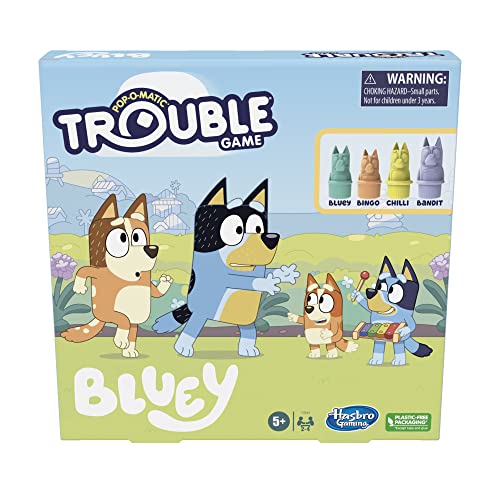 | Hasbro Gaming Trouble: Bluey Edition Board Game for Kids, 2- | 7.0/10 |
View on Amazon Free Shipping & 30-Day Returns |
 | Hasbro Gaming Hi Ho Cherry-O Board Game for 2 to 4 Players K | 7.0/10 |
View on Amazon Free Shipping & 30-Day Returns |
 | Hasbro Gaming Chutes and Ladders: Marvel Spider-Man Edition | 6.8/10 |
View on Amazon Free Shipping & 30-Day Returns |
 | Hasbro Gaming Cootie Mixing and Matching Bug-Building Game | | 6.5/10 |
View on Amazon Free Shipping & 30-Day Returns |
 | Hasbro Gaming Chutes and Ladders Board Game, 2 to 4 Players, | 6.5/10 |
View on Amazon Free Shipping & 30-Day Returns |
📋 How We Evaluated
These selections reflect thorough analysis of gameplay simplicity, educational value, and physical build quality. We prioritized titles that encourage social skills and number recognition while maintaining high engagement levels for young players.
Detailed Reviews
ThinkFun Zingo Bingo Award Winning Preschool Game for Pre-Re🏆 Editor’s Pick
| Age Range | 4 and Up |
| Players | Up to 7 |
| Skill Focus | Language and matching |
| Key Feature | Zinger tile dispenser |
What We Found
ThinkFun Zingo Bingo stands out as a sophisticated, fast-paced matching game. The unique Zinger device dispenses tiles, adding a tactile element that children find endlessly entertaining. It helps children develop language and matching skills while maintaining a high level of engagement.
The game supports up to seven players, making it an excellent choice for larger groups or classroom settings. Its clear, high-quality instruction manual ensures that families can start playing within minutes. The tiles are durable, and the board design is intuitive for young learners.
By combining visual recognition with physical speed, Zingo Bingo provides a rewarding challenge that feels modern and polished. It is widely considered one of the best educational board games for preschool-aged children.
💬 My Take
Zingo Bingo is the definitive preschool game. It balances educational value with pure fun, making it the top choice for any five-year-old.
Who It’s For
Zingo Bingo is ideal for five-year-olds who enjoy fast-paced, competitive play. It is perfect for parents looking for an educational game that does not feel like work. It works exceptionally well for interactive family game nights.
✅ Pros
- Highly engaging Zinger device keeps players focused.
- Supports more players than standard preschool games.
- Effectively builds language and visual matching skills.
❌ Cons
- Can become loud during fast-paced rounds.
- The Zinger device requires careful handling to function correctly.
- May be slightly complex for children younger than four.
Montessori Wooden Board Game, 42 Sticks Dice Games for Kids 🥈 Runner-Up
| Age Range | 3-8 |
| Players | 2-6 |
| Material | Solid wood |
| Modes | 2-in-1 play |
What We Found
The Montessori Wooden Board Game offers a refreshing, durable alternative to plastic options. This 2-in-1 game features a high-quality wooden tower designed for stability and longevity. It supports two distinct modes: a ball drop challenge and a stick-pulling game.
These modes help children practice color recognition, hand-eye coordination, and fine motor skills. The design is sleek and aesthetically pleasing, fitting well into any playroom. It is easy to assemble, allowing parents and children to begin playing within seconds.
The game is portable, making it a great choice for travel or home use. Its focus on tactile, offline interaction helps reduce screen time while fostering essential developmental abilities. It is a sturdy, thoughtfully crafted game that provides lasting entertainment.
💬 My Take
The Montessori Wooden Board Game is a premium, versatile choice. Its solid construction and dual gameplay modes make it a fantastic, long-lasting investment.
Who It’s For
This game is perfect for parents who prioritize sustainable, durable materials. It is ideal for children who enjoy hands-on challenges and fine motor activities. It works well for families looking for a versatile, multi-mode game.
✅ Pros
- Durable wooden construction lasts longer than plastic.
- Two gameplay modes provide excellent variety.
- Promotes fine motor skills and color recognition.
❌ Cons
- Requires more storage space than card-based games.
- Setup can take a moment for younger children.
- Wooden sticks may be a choking hazard for younger siblings.
Mattel Games UNO Junior Card Game with 45 Cards, Gift for Ki🥈 Runner-Up
| Age Range | 3 and Up |
| Players | 2-4 |
| Matching Style | Animal Symbols |
| Levels | 3 |
What We Found
UNO Junior simplifies the iconic card game for younger players. By incorporating animal illustrations, the game allows children to play by matching symbols before they fully grasp numerical values. It features three distinct levels of play, allowing the game to grow alongside the child’s developing skills.
Level one focuses on basic matching, while subsequent levels introduce action and penalty cards to add complexity. The deck is appropriately sized for small hands, and the colorful animal graphics make the experience visually stimulating. It accommodates two to four players, making it a flexible option for family game nights.
The transition from simple matching to traditional UNO mechanics makes this an excellent developmental tool for five-year-olds.
💬 My Take
UNO Junior successfully adapts a classic game for younger audiences. It is a smart choice for parents wanting a game that grows with their child.
Who It’s For
This deck is ideal for families who want a portable, quick-playing game. It is perfect for children transitioning from simple matching games to those requiring more focus. It works well for travel due to the compact card format.
✅ Pros
- Scalable difficulty levels accommodate different developmental stages.
- Animal icons enable play for non-readers.
- Compact size makes it highly portable for travel.
❌ Cons
- Card durability may suffer with frequent use by young children.
- Requires consistent supervision to enforce rule changes.
- The competitive nature might frustrate some younger players.
Hasbro® Don’t Break The Ice Game, Classic Version for Ages 3
| Age Range | 3 and Up |
| Players | 2-4 |
| Focus | Fine motor skills |
| Theme | Arctic |
What We Found
Don’t Break The Ice creates high-tension fun through simple, physical interaction. Players take turns tapping out ice blocks, aiming to keep a penguin figure on top. The suspense builds as the structure becomes unstable, teaching patience and careful movement.
It is a classic game that remains popular for its straightforward, exciting premise. The setup is fast, and the rules are intuitive enough for any five-year-old to grasp immediately. It encourages fine motor control and concentration, as players must decide which block to remove.
The game is durable enough for repeated play, and the dramatic ‘ker-plop’ outcome never fails to generate excitement. It works well as a group activity or a brief family game night addition.
💬 My Take
Don’t Break The Ice is a high-energy classic that delivers consistent thrills. It is a must-have for families seeking simple, interactive fun.
Who It’s For
This game is perfect for children who love physical, high-stakes play. It is ideal for five-year-olds who are working on fine motor precision. It works great for families wanting a quick, high-energy game.
✅ Pros
- High-tension gameplay keeps children fully engaged.
- Simple rules are easy for young children to follow.
- Develops fine motor control through careful block removal.
❌ Cons
- Requires manual reset of the board after every round.
- The pieces can be delicate and prone to breaking.
- Limited strategic depth beyond the physical challenge.
Hasbro Gaming Candy Land Kingdom of Sweet Adventures Board G🏆 Editor’s Pick
| Age Range | 3 and Up |
| Players | 2-4 |
| Reading Required | No |
| Theme | Sweet Adventures |
What We Found
Candy Land remains a staple in the preschool market. This classic race-to-the-finish game requires no reading, making it accessible for children as young as three. Players navigate a colorful path by drawing cards that correspond to spaces on the board. The simple mechanics provide a low-stress environment for early learners.
The board features whimsical illustrations and sweet-themed destinations that naturally capture a child’s imagination. As a quintessential beginner game, it introduces basic concepts of turn-taking and sequential movement. The physical components are designed for small hands, ensuring ease of use during play.
While it lacks deep strategy, its simplicity serves as a perfect entry point for five-year-olds just beginning their board game journey.
💬 My Take
Candy Land is a nostalgic classic that provides a reliable, stress-free experience for young children. It serves as a great introduction to the world of tabletop gaming.
Who It’s For
This game suits families seeking a gentle, non-competitive introduction to board games. It is perfect for five-year-olds who enjoy vibrant visuals and imaginative storytelling. Because it relies entirely on luck rather than strategy, it levels the playing field between children and adults.
It works well for playdates or short, quiet sessions before bedtime.
✅ Pros
- Bright, engaging illustrations keep attention focused.
- Simple rules facilitate immediate play without complex setup.
- No reading requirement makes it perfect for early preschoolers.
❌ Cons
- Gameplay relies entirely on luck, offering no strategic depth.
- The experience can feel repetitive for older participants.
- Lacks long-term replayability compared to more modern games.
Hasbro Gaming Trouble: Bluey Edition Board Game for Kids, 2-
| Age Range | 5 and Up |
| Players | 2-4 |
| Theme | Bluey |
| Mechanic | Pop-O-Matic bubble |
What We Found
Trouble: Bluey Edition brings beloved characters into a classic race-to-the-finish format. The iconic Pop-O-Matic bubble adds an element of surprise that children love. Players navigate the board with Bluey, Bingo, Bandit, or Chilli, making it highly appealing to young fans of the show.
The rules are simple, focusing on movement and basic counting. It includes special spaces like ‘Double Trouble’ that add minor twists to keep the game fresh. The construction is durable plastic, ensuring it survives repeated play. Setup is quick, allowing families to dive right into the action.
It is a reliable, familiar game that benefits significantly from its popular theme, making it an easy sell for five-year-olds who already enjoy the characters.
💬 My Take
Trouble: Bluey Edition is a fun, themed twist on a classic. It is a safe and enjoyable choice for young fans of the show.
Who It’s For
This game is perfect for five-year-olds who are fans of the Bluey series. It is ideal for families seeking a recognizable, easy-to-learn board game. It works well for casual, social play sessions.
✅ Pros
- Popular theme increases engagement for young fans.
- Pop-O-Matic bubble is fun and easy to use.
- Simple rules make it accessible for five-year-olds.
❌ Cons
- Gameplay is quite basic and lacks strategic depth.
- The Pop-O-Matic mechanism can sometimes jam.
- Limited replayability compared to more versatile games.
Hasbro Gaming Hi Ho Cherry-O Board Game for 2 to 4 Players K
| Age Range | 3 and Up |
| Players | 2-4 |
| Skill Focus | Counting and math |
| Theme | Fruit picking |
What We Found
Hi Ho Cherry-O is a classic counting game that focuses on basic math skills. Children take turns picking pretend fruit from trees to fill their baskets. The spinner determines how many pieces to pick or return, making it a great way to practice addition and subtraction.
The gameplay is simple and intuitive, making it perfect for children ages three and up. It provides a fun, tactile way for children to learn basic math concepts without feeling like they are doing schoolwork. The components are colorful and easy for small hands to manage.
It is a solid, enduring game that works well for families or classroom settings, offering a gentle introduction to math and turn-taking.
💬 My Take
Hi Ho Cherry-O is a reliable, educational game that simplifies math. It is a great choice for reinforcing basic counting in a playful manner.
Who It’s For
Hi Ho Cherry-O is best for children who are beginning to explore basic math. It is perfect for parents wanting a game that reinforces counting skills. It works well for short, focused sessions.
✅ Pros
- Reinforces basic math skills in a fun way.
- Simple, tactile gameplay is easy for young children.
- Colorful pieces capture attention during play.
❌ Cons
- Small fruit pieces are easily lost during storage.
- The repetitive nature may bore older five-year-olds.
- Gameplay is entirely dependent on the spinner.
Hasbro Gaming Chutes and Ladders: Marvel Spider-Man Edition
| Age Range | 3 and Up |
| Players | 2-4 |
| Theme | Marvel Spider-Man |
| Skill Focus | Counting |
What We Found
Chutes and Ladders: Marvel Spider-Man Edition updates a traditional counting game with popular superhero characters. Players move their character movers across a colorful board, aiming to reach the top. The inclusion of Spider-Man and other Marvel characters makes the experience more exciting for children who enjoy superhero themes.
It requires no reading, as the numerals on the board help children practice basic number recognition. The game is simple, focusing on the luck of the spin and the anticipation of chutes or ladders.
The board is brightly illustrated and durable, making it a solid choice for preschool classrooms or home play. It provides a fun, low-pressure way for children to practice counting while engaging with their favorite characters.
💬 My Take
Chutes and Ladders: Marvel Edition is a reliable, themed update. It is a great way to combine early math practice with superhero fun.
Who It’s For
This version is ideal for children who love superheroes. It is perfect for families wanting a classic counting game with a modern, exciting theme. It works well for young children just starting to learn numbers.
✅ Pros
- Superhero theme adds excitement to a classic game.
- Excellent tool for basic number recognition.
- Simple, intuitive rules are perfect for preschoolers.
❌ Cons
- Gameplay is entirely luck-based and can become repetitive.
- The board design is standard and lacks unique features.
- May not hold the attention of older five-year-olds.
Hasbro Gaming Cootie Mixing and Matching Bug-Building Game |
| Age Range | 3 and Up |
| Players | 2-4 |
| Components | Plastic bug parts |
| Mechanic | Spin and build |
What We Found
Cootie provides a tactile, creative experience that emphasizes assembly and matching. Players spin a dial to collect various bug parts, aiming to build a complete creature first. The game includes a variety of colorful plastic components that are easy to manipulate.
No reading is required, which keeps the flow moving quickly for younger participants. It introduces basic turn-taking and fine motor skill practice through the assembly process. The inclusion of ‘Switcheroo’ and ‘Head Start’ options adds variety to the gameplay, preventing it from feeling stale.
The pieces are durable and designed for repetitive play. It remains a straightforward, enjoyable activity that focuses on the satisfaction of building something unique during each session.
💬 My Take
Cootie is a simple, tactile game that excels at keeping young hands busy. It is a fun, lighthearted choice for preschool play.
Who It’s For
Cootie is best for active five-year-olds who enjoy hands-on assembly tasks. It is ideal for children who prefer creative play over complex strategic games. It serves as an excellent option for short, focused bursts of activity.
✅ Pros
- Encourages fine motor skill development through piece assembly.
- Creative bug-building keeps children engaged.
- Simple mechanics allow for quick, easy play sessions.
❌ Cons
- Small plastic pieces can be easily misplaced.
- The objective is fairly singular and lacks variety.
- May lose its appeal quickly once the novelty fades.
Hasbro Gaming Chutes and Ladders Board Game, 2 to 4 Players,
| Age Range | 3 and Up |
| Players | 2-4 |
| Theme | Classic |
| Skill Focus | Counting |
What We Found
The classic Chutes and Ladders game remains a foundational experience for many children. It teaches basic counting and number recognition through a simple, visual path. Players spin a spinner to move their pawns, encountering ladders that advance them and chutes that send them back.
The game is easy to learn, requiring no reading and minimal setup. Its enduring popularity stems from the excitement of the ‘up and down’ mechanics. It is a great choice for practicing sequential counting and learning to accept both winning and losing gracefully.
The board is designed for durability, ensuring it withstands frequent play sessions. It serves as a reliable, straightforward option for parents looking to introduce their children to the basics of board games.
💬 My Take
Chutes and Ladders is a timeless classic that provides foundational learning. It is a simple, effective tool for early number practice.
Who It’s For
This game is perfect for any household beginning their collection. It is ideal for five-year-olds who are just learning to count and follow simple rules. It works well as a standard, reliable game night option.
✅ Pros
- Teaches basic counting and number recognition effectively.
- Classic design is intuitive and easy to understand.
- Reliable gameplay that children enjoy repeating.
❌ Cons
- Offers limited strategic variety for growing children.
- Can feel very repetitive after several rounds.
- Lacks the interactive elements found in newer games.
What to Look For Before Buying
Selecting the right game requires balancing your child’s current interests with their developmental needs. Focus on titles that offer simple rules and quick turns to maintain engagement. Consider the durability of the materials to ensure the game survives frequent, enthusiastic use.
Always check if the game teaches specific skills like counting or matching.
Check Prioritize Simple Mechanics
Five-year-olds often have limited patience for long setups. Choose games that start quickly and have intuitive, easy-to-grasp rules. This ensures the child stays focused throughout the session. Avoid games with complex instructions that require constant adult intervention.
Value Seek Replayability
Look for games that offer variety in their gameplay loops. Games with multiple modes or unpredictable outcomes keep interest high over time. Avoid titles that rely on a single, repetitive action that might lose its charm quickly. A good game remains fun even after multiple play sessions.
Rating Assess Educational Value
Many board games double as excellent learning tools for preschoolers. Look for games that naturally teach counting, color recognition, or basic matching. These games reinforce essential skills without feeling like a chore. The best choices make learning feel like an organic part of the fun.
Verify Check Build Quality
Young children can be rough on game components. Opt for games with sturdy plastic, wood, or thick cardboard pieces. Avoid games with tiny parts that might be easily lost or pose a hazard. High-quality materials ensure the game remains playable for years to come.
Frequently Asked Questions
How do I know if a game is too hard for my five-year-old?
If a game requires reading or complex strategic planning, it is likely too advanced. Stick to games that use symbols, colors, or basic numbers. You should also look for recommended age ranges on the packaging as a helpful guide.
Are there games that help with social skills?
Yes, almost all turn-based games help with social development. They teach children to wait their turn and follow rules. Games that involve cooperative play can also reduce frustration and promote teamwork.
Should I choose luck-based or strategy games?
For five-year-olds, luck-based games are often better because they level the playing field. Strategy games can sometimes frustrate younger children who haven’t developed those skills yet. Start with luck, then move to strategy later.
How long should a game session last?
Keep sessions short, ideally between 10 and 20 minutes. Preschoolers often have short attention spans and can get restless if a game drags on. Shorter games ensure the experience remains positive and engaging.
Is it worth buying premium wooden games?
Premium wooden games are often more durable and environmentally friendly than plastic. They also tend to have a better tactile feel, which children enjoy. They are a great investment if you want a game that lasts for generations.
🎯 Final Verdict
For the best overall experience, choose ThinkFun Zingo Bingo. It perfectly blends educational matching with an exciting, tactile delivery system that keeps five-year-olds hooked. It accommodates larger groups, making it ideal for family gatherings.
If you prefer a more durable, non-plastic option, the Montessori Wooden Board Game is a fantastic alternative that builds fine motor skills through versatile gameplay modes. Both options provide excellent value and high replayability for your young gamer.
Invest in these titles to create memorable, fun-filled family game nights that support your child’s growth and development.