Finding the best board game for a five-year-old requires balancing simplicity with engagement. Whether you are looking for a classic experience like Candy Land or Sorry!, or a skill-building challenge like Zingo, the right choice turns family game night into a recurring highlight rather than a frustrated struggle.
I analyzed these ten games by focusing on ease of use and playability. Some prioritize pure luck, while others introduce early math or matching skills. Consider whether your child prefers familiar themes like Spider-Man or needs a game that functions without reading, as these factors dictate true long-term value.
⚡ Quick Verdict
List of Best Board Game For 5 Year Old
| Image | Product | Score | Link |
|---|---|---|---|
 | ThinkFun Zingo Bingo Award Winning Preschool Game for Pre-Re 🏆 Editor’s Pick | 9.5/10 |
View on Amazon Free Shipping & 30-Day Returns |
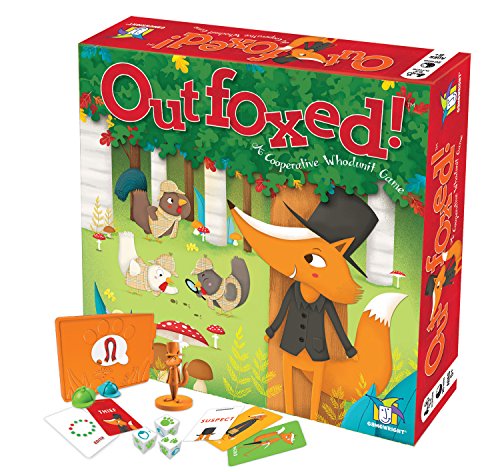 | OUTFOXED, A CLASSIC WHO DUNNIT GAME FOR PRESCHOOLERS, 4 play 🥈 Runner-Up | 9.2/10 |
View on Amazon Free Shipping & 30-Day Returns |
 | Jax SEQUENCE for Kids — The ‘No Reading Required’ Strategy | 8.4/10 |
View on Amazon Free Shipping & 30-Day Returns |
 | Number Hunter Math Board Game for Kids 5-7, 1st Grade & Kind | 8.1/10 |
View on Amazon Free Shipping & 30-Day Returns |
 | Hasbro Gaming Chutes and Ladders: Marvel Spider-Man Edition | 7.5/10 |
View on Amazon Free Shipping & 30-Day Returns |
 | Hasbro Gaming Candy Land Kingdom of Sweet Adventures Board G 🏆 Editor’s Pick | 7.2/10 |
View on Amazon Free Shipping & 30-Day Returns |
 | Hasbro Gaming Chutes and Ladders Board Game, 2 to 4 Players, | 7.1/10 |
View on Amazon Free Shipping & 30-Day Returns |
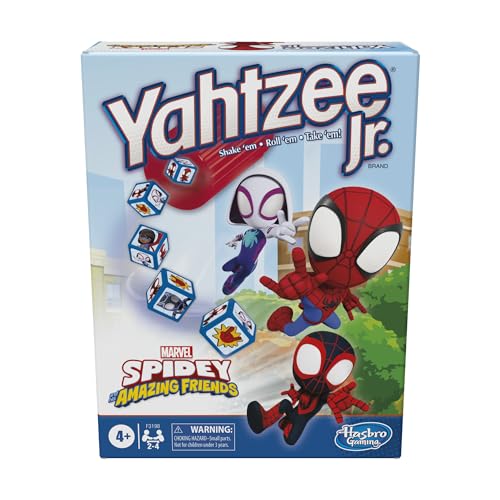 | Hasbro Gaming Spidey and His Amazing Friends Yahtzee Jr.Marv | 7.0/10 |
View on Amazon Free Shipping & 30-Day Returns |
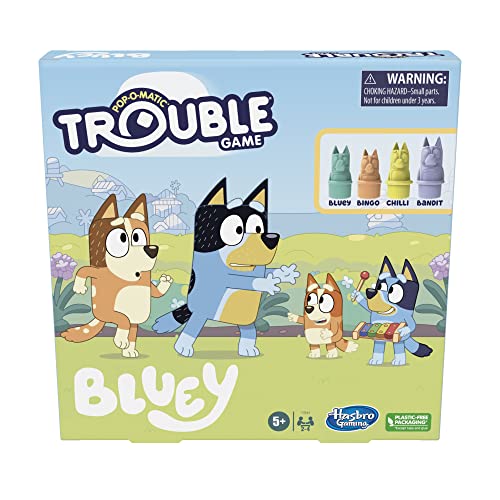 | Hasbro Gaming Trouble: Bluey Edition Board Game for Kids, 2- | 6.9/10 |
View on Amazon Free Shipping & 30-Day Returns |
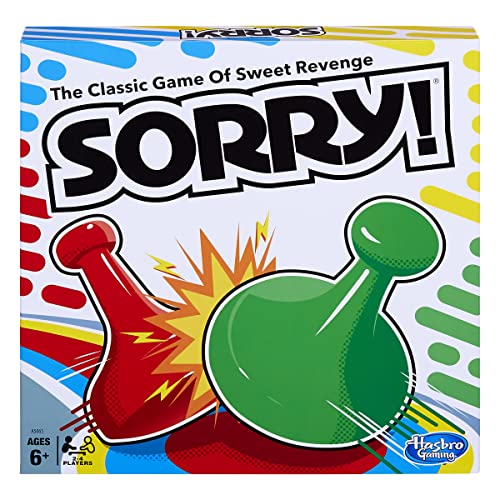 | Sorry! Board Game for Kids Ages 6 and Up; Classic Hasbro Boa 🥈 Runner-Up | 6.8/10 |
View on Amazon Free Shipping & 30-Day Returns |
📋 How We Evaluated
Evaluations focused on ease of play, durability, and educational value. We examined how well each game keeps children engaged while supporting developmental milestones like counting or pattern recognition.
Detailed Reviews
ThinkFun Zingo Bingo Award Winning Preschool Game for Pre-Re🏆 Editor’s Pick
| Theme | Matching |
| Player Count | 2-7 |
| Reading Required | No |
| Age Range | 4 and up |
What We Found
Zingo is a fast-paced game that excels at teaching matching and language skills. The unique Zinger device releases tiles that players must match to their cards. This mechanical element provides tactile satisfaction that keeps children engaged for multiple rounds.
The game is highly educational, helping kids recognize words and images quickly. It supports up to seven players, making it excellent for social interaction in classrooms or large families. The quality of the components is high, with durable tiles and a sturdy card system.
Because it is fast and rewarding, it minimizes the downtime that often leads to boredom. It is widely considered one of the best preschool games available for developing critical cognitive abilities.
💬 My Take
Zingo is the gold standard for preschool games, offering both high-energy fun and genuine educational value.
Who It’s For
Zingo is perfect for children who thrive on quick-paced activities. It is ideal for parents who want to combine fun with literacy and pattern matching. It works well for both solo play practice and group settings with friends or siblings.
✅ Pros
- Fast-paced and very engaging.
- Excellent for language and matching.
- Unique Zinger device is fun.
❌ Cons
- Tiles can get lost easily.
- Requires organized storage.
- Limited replayability for older kids.
OUTFOXED, A CLASSIC WHO DUNNIT GAME FOR PRESCHOOLERS, 4 play🥈 Runner-Up
| Theme | Mystery/Deduction |
| Player Count | 2-4 |
| Reading Required | No |
| Age Range | 4-8 |
What We Found
Outfoxed is a cooperative whodunit game that challenges children to solve a mystery. Players work together to gather clues and identify a suspect. This cooperative nature is a refreshing change from competitive games, as it encourages teamwork and communication. The deduction mechanics are cleverly designed for preschoolers.
Using the clue-decoder tool is a highlight that adds a sense of mystery and excitement. The game is well-built, with high-quality components that feel substantial. It effectively teaches logic, memory, and deductive reasoning in a fun, thematic way.
It is highly recommended for parents who want to encourage collaborative play rather than competition. The game is engaging enough to entertain adults alongside the children, making it a true family experience.
💬 My Take
Outfoxed is a brilliant cooperative game that makes logical reasoning an absolute blast for young kids.
Who It’s For
Outfoxed is perfect for families who value teamwork. It is ideal for children who enjoy mysteries and logic puzzles. It works well for groups of 2-4 players who want to solve problems together.
✅ Pros
- Excellent cooperative gameplay.
- Teaches logic and deduction skills.
- High-quality, engaging components.
❌ Cons
- Limited replay value once solved.
- Requires adult supervision initially.
- Clue tool is slightly delicate.
Jax SEQUENCE for Kids — The ‘No Reading Required’ Strategy
| Theme | Strategy/Matching |
| Player Count | 2-4 |
| Reading Required | No |
| Age Range | 3-6 |
What We Found
Sequence for Kids is a strategy game designed specifically for younger players. It involves playing cards to place chips on a board, aiming to get four in a row. This game helps develop logical thinking and pattern recognition skills.
It is simple to understand, yet it offers enough depth to keep children interested. The lack of reading requirements ensures that young players can participate fully without needing help. The board is vibrant and easy to navigate, with clear character associations.
It is a great way to introduce basic strategy without overwhelming the child with complex rules. The pieces are durable and well-suited for repetitive use, making it a reliable addition to any game collection.
💬 My Take
A fantastic entry point into strategy gaming that remains engaging for several years.
Who It’s For
This game is perfect for children aged three to six who are ready for a bit of strategy. It is excellent for families who want a game that grows with the child. It works well for developing focus and logic.
✅ Pros
- Develops logical thinking and strategy.
- No reading required for play.
- Vibrant, easy-to-read board.
❌ Cons
- Strategy can become predictable.
- Chips can be easily misplaced.
- Repetitive after multiple rounds.
Number Hunter Math Board Game for Kids 5-7, 1st Grade & Kind
| Theme | Math Adventure |
| Player Count | 2-4 |
| Reading Required | No |
| Age Range | 5-7 |
What We Found
Number Hunter turns math practice into a global adventure. Players roll dice and perform addition or subtraction to move across the board. This active approach moves away from boring worksheets and makes learning feel like play. The game encourages critical thinking and problem-solving through its math-based movement.
It is a great resource for parents looking to supplement early STEM education at home. The board is colorful and invites exploration, while the challenges keep the gameplay dynamic. It is well-suited for children who are beginning to show interest in numbers and logic.
The mechanics are simple enough for a five-year-old to grasp with minimal guidance, making it a great tool for early learners.
💬 My Take
An excellent choice for parents seeking a playful way to boost their child’s early math skills.
Who It’s For
This game is tailored for parents who prioritize STEM learning. It is best for five-to-seven-year-olds who are ready to practice basic addition and subtraction. It serves as a helpful tool for homeschoolers or families looking for educational activities.
✅ Pros
- Makes math practice fun and active.
- Supports early STEM skills effectively.
- Simple rules for early learners.
❌ Cons
- Math requirements might be too hard.
- Requires some parental assistance.
- Less entertaining for non-math fans.
Hasbro Gaming Chutes and Ladders: Marvel Spider-Man Edition
| Theme | Marvel Spider-Man |
| Player Count | 2-4 |
| Reading Required | No |
| Age Range | 3 and up |
What We Found
The Marvel edition of Chutes and Ladders brings iconic superheroes to a familiar climbing game. Players navigate a vertical board, moving through chutes and ladders to reach the top. The inclusion of character movers like Spider-Man and Venom adds significant appeal for fans of the franchise.
It uses a spinner to determine movement, which teaches children about numbers and counting. The design is visually stimulating and maintains the classic, easy-to-learn mechanics of the original game. It requires no reading, which is ideal for the preschool demographic.
The board is sturdy and the character pieces are detailed enough to be used as toys outside of the game. It is a reliable choice for active youngsters who enjoy Marvel themes.
💬 My Take
The Spider-Man theme makes this classic game much more exciting for young superhero fans.
Who It’s For
This game is perfect for young Marvel fans who need practice with basic counting. It is ideal for families who want a game that teaches persistence. If the child loves superheroes, this theme will keep them engaged longer than the standard version.
✅ Pros
- Popular Marvel theme encourages interest.
- Reinforces basic counting skills.
- Simple mechanics are easy to learn.
❌ Cons
- Gameplay is entirely luck-based.
- Can become frustrating due to chutes.
- Limited educational value beyond counting.
Hasbro Gaming Candy Land Kingdom of Sweet Adventures Board G🏆 Editor’s Pick
| Theme | Candy Kingdom |
| Player Count | 2-4 |
| Reading Required | No |
| Age Range | 3 and up |
What We Found
Candy Land remains a staple in childhood gaming. The board features a vibrant path filled with sweet destinations. Players move their gingerbread pawns based on colored cards. This mechanism eliminates the need for reading, making it accessible for very young children.
The classic race-to-the-castle format provides a predictable structure that helps kids learn turn-taking. While simple, the colorful illustrations and familiar theme hold significant charm for newcomers. The build quality is standard for a mass-market board game, utilizing cardboard and plastic components.
It is a gentle introduction to tabletop gaming that avoids complex rules or conflict. The game focuses entirely on luck, ensuring that no player has a distinct advantage based on skill, which prevents frustration during play sessions.
💬 My Take
Candy Land is a timeless classic for a reason, though it offers little challenge for older preschoolers.
Who It’s For
This game suits the youngest gamers who are just learning how to follow rules. It is ideal for families wanting a low-stress activity that requires zero reading ability. The lack of strategy makes it a perfect bridge for three-to-five-year-olds transitioning into tabletop play.
It serves as a gentle introduction to turn-based social interaction without the pressure of competition.
✅ Pros
- Simple mechanics allow for easy learning.
- Bright artwork attracts young attention.
- No reading required for participation.
❌ Cons
- Gameplay relies entirely on luck.
- Matches can feel repetitive for adults.
- Lacks educational depth or strategy.
Hasbro Gaming Chutes and Ladders Board Game, 2 to 4 Players,
| Theme | Classic |
| Player Count | 2-4 |
| Reading Required | No |
| Age Range | 3 and up |
What We Found
Chutes and Ladders is a fundamental game that introduces children to the highs and lows of board gaming. The mechanics are simple: spin the spinner and move. It helps children practice number recognition and counting as they navigate the board.
The classic design is iconic, and it remains a standard in many preschool classrooms. The quality is reliable, featuring a sturdy board and colorful pawns. While it relies entirely on luck, it serves as a great tool for teaching children how to handle minor setbacks during play.
It is a simple, no-nonsense game that provides consistent entertainment. It is a perfect choice for parents who want a classic experience that requires zero reading ability and minimal setup.
💬 My Take
A foundational game that every preschooler should experience, despite its simplicity.
Who It’s For
This game is best for the youngest gamers starting their collection. It is ideal for parents who want a simple, classic experience. It works well for children who need practice with counting and patience.
✅ Pros
- Classic, easy-to-learn mechanics.
- Helps with number recognition.
- Durable and reliable design.
❌ Cons
- Entirely luck-based gameplay.
- Can be frustrating to lose.
- Limited educational depth.
Hasbro Gaming Spidey and His Amazing Friends Yahtzee Jr.Marv
| Theme | Marvel Spidey |
| Player Count | 2-4 |
| Reading Required | No |
| Age Range | 4 and up |
What We Found
Yahtzee Jr. brings the classic dice game to a younger audience with a Marvel Spidey theme. Players roll dice to match characters rather than numbers. This makes the game accessible for preschoolers who are not yet familiar with complex scoring.
It encourages basic matching and probability concepts in a very simple way. The game is portable and quick to play, making it a good option for travel. The character-themed scoreboard is easy to understand, and the dice are chunky enough for small hands.
It provides a good introduction to the concept of taking turns and rolling for a goal without the pressure of advanced math. It is a solid, low-stakes game for young Marvel fans.
💬 My Take
Yahtzee Jr. is a simple, pleasant game that works well for quick sessions with young children.
Who It’s For
This is ideal for young fans of Spidey and His Amazing Friends. It works well for children who enjoy dice games and matching activities. It is a great choice for short game sessions at home or on the go.
✅ Pros
- Easy to learn and play.
- Portable for travel activities.
- Engaging theme for young fans.
❌ Cons
- Dice can roll under furniture.
- Very simple gameplay loop.
- Less educational than strategy games.
Hasbro Gaming Trouble: Bluey Edition Board Game for Kids, 2-
| Theme | Bluey |
| Player Count | 2-4 |
| Reading Required | No |
| Age Range | 5 and up |
What We Found
Trouble: Bluey Edition takes the classic Pop-O-Matic game and adds a popular TV theme. Players race character pegs around the board, trying to reach the finish zone. The game is simple to set up and features straightforward rules.
The Bluey theme is a major draw for children, making the race more exciting. The mechanics are identical to the original version, which is reliable but not innovative. The quality of the plastic board and pegs is durable enough for frequent use.
It is a good option for families who want a familiar game with a modern, beloved theme. It provides a standard competitive experience that helps kids practice counting and patience during their turns.
💬 My Take
A fun, themed version of a classic game that will delight young Bluey fans.
Who It’s For
This game is perfect for fans of the Bluey show. It is ideal for children who enjoy simple racing games. It works well for families wanting a quick, recognizable option for game night.
✅ Pros
- Popular Bluey theme is appealing.
- Easy to set up and play.
- Durable and portable design.
❌ Cons
- Gameplay is identical to original.
- Can be repetitive for some.
- Little educational value.
Sorry! Board Game for Kids Ages 6 and Up; Classic Hasbro Boa🥈 Runner-Up
| Theme | Classic Race |
| Player Count | 2-4 |
| Reading Required | No |
| Age Range | 6 and up |
What We Found
Sorry! introduces children to the concept of movement and basic strategy. Players race pawns to a home base while potentially sending opponents back to the start. This game requires more patience and emotional regulation than simpler titles. The cards dictate movement, and the board layout is straightforward.
While the game provides excitement, the mechanic of sending other players back can cause tears for younger children. The quality is durable, featuring a sturdy board and plastic pawns. It functions well as a transition game for older kids who are ready for slightly longer sessions.
The core experience relies on simple arithmetic and basic card interpretation, making it a solid step up from beginner games.
💬 My Take
Sorry! is a fun competitive game, but it requires a level of maturity that some five-year-olds may lack.
Who It’s For
This game is better suited for children aged six and up who can handle losing a turn. It works well for families looking for a classic competitive experience. If the child enjoys themes of racing and minor conflict, this is a suitable choice.
✅ Pros
- Teaches basic counting and strategy.
- Durable components for frequent play.
- Classic gameplay style is engaging.
❌ Cons
- Conflict mechanic can upset younger children.
- Matches often take longer to finish.
- Repetitive nature of the movement.
What to Look For Before Buying
When selecting a board game for a five-year-old, focus on simple mechanics that avoid the need for reading. Look for durable materials that can withstand frequent handling and active play. Prioritize games that encourage social interaction or basic skill development.
Check Game Mechanics
Choose games with straightforward rules that do not require reading. Look for visual cues like colors or matching symbols. Simple turn-taking structures are ideal for young children. Avoid games that rely heavily on complex strategy or math.
Value Replayability
Consider if the game will keep a child’s interest over many sessions. Games with modular boards or varied outcomes often last longer. Check if the theme is something the child loves deeply. A strong theme can significantly extend the game’s life.
Rating Skill Development
Look for games that reinforce counting, matching, or logic skills. Educational games often provide more value than luck-based ones. Ensure the level of difficulty matches the child’s developmental stage. Balance is key to keeping the game fun.
Verify Durability
Assess the build quality of the board and pieces. Choose games with thick cardboard or sturdy plastic components. Check for small parts that might be a choking hazard for younger siblings. A durable game is essential for daily use.
Frequently Asked Questions
What is the best type of game for a 5-year-old?
The best games for this age are cooperative or simple matching games. These options keep children engaged without the frustration of complex rules. Look for titles that emphasize social connection and basic skill practice.
Do 5-year-olds need reading skills to play?
Most preschool-level games are designed to be played without reading. They use colors, symbols, and pictures to guide players. This ensures inclusivity for all children regardless of their reading level.
How long should a game last for this age?
Aim for games that last between 10 and 20 minutes. Young children have shorter attention spans and often get restless after 20 minutes. Short, punchy games are much better for maintaining excitement.
Are cooperative games better than competitive ones?
Cooperative games can be better for social-emotional growth. They teach teamwork and problem-solving without the stress of losing. Competitive games are fine, but they require a bit more maturity to handle losing.
Should I worry about small pieces?
Always check the recommended age rating on the box. If younger siblings are present, avoid games with tiny tokens or pieces. Safety is the most important factor when choosing any toy or game.
🎯 Final Verdict
For a five-year-old, Zingo is the clear top choice due to its fast-paced, engaging design and educational benefits. It balances fun with skill development perfectly, making it a staple for any home. If you prefer a cooperative experience that challenges logic and deduction, Outfoxed is an excellent alternative.
Both games offer high-quality components and lasting appeal for young children. Choose based on whether your child prefers high-energy matching or collaborative mystery solving. Start with these options to build a great foundation for future game nights.