Do you remember the thrill of your first board game? Choosing the best board game for preschoolers means balancing nostalgia with engagement. I looked at 10 classic and modern titles to see which ones actually hold a young child’s attention without requiring reading skills or complex setup.
This review breaks down these games by play style, from simple race-to-the-finish classics like Candy Land to active, dexterity-based challenges like Don’t Break the Ice. Use these insights to determine which mechanics best suit your child’s current development level and your family’s patience for cleanup.
⚡ Quick Verdict
List of Best Board Game For Preschoolers
| Image | Product | Score | Link |
|---|---|---|---|
 | OUTFOXED, A CLASSIC WHO DUNNIT GAME FOR PRESCHOOLERS, 4 play 👑 Premium Pick | 9.5/10 |
View on Amazon Free Shipping & 30-Day Returns |
 | Hasbro Gaming Candy Land Kingdom of Sweet Adventures Board G 🏆 Editor’s Pick | 9.2/10 |
View on Amazon Free Shipping & 30-Day Returns |
 | Hasbro Gaming Hungry Hungry Hippos Game for Preschoolers | I 🥈 Runner-Up | 9.0/10 |
View on Amazon Free Shipping & 30-Day Returns |
 | Hasbro Gaming Cootie Mixing and Matching Bug-Building Game | 💰 Best Value | 8.8/10 |
View on Amazon Free Shipping & 30-Day Returns |
 | Hasbro Gaming Chutes and Ladders Board Game, 2 to 4 Players, 🥈 Runner-Up | 8.5/10 |
View on Amazon Free Shipping & 30-Day Returns |
 | Hasbro Gaming Hi Ho Cherry-O Board Game for 2 to 4 Players K | 8.4/10 |
View on Amazon Free Shipping & 30-Day Returns |
 | Let’s Go Fishin’ Game by Pressman – The Original Fast-Action | 8.2/10 |
View on Amazon Free Shipping & 30-Day Returns |
 | Hasbro Gaming Trouble Board Game for Kids Ages 5 and Up 2-4 | 8.0/10 |
View on Amazon Free Shipping & 30-Day Returns |
 | Hasbro® Don’t Break The Ice Game, Classic Version for Ages 3 | 7.9/10 |
View on Amazon Free Shipping & 30-Day Returns |
 | Hasbro Gaming Don’t Spill The Beans Game for Kids, Easy and | 7.5/10 |
View on Amazon Free Shipping & 30-Day Returns |
📋 How We Evaluated
We evaluated these products based on age appropriateness and ease of use. We also looked at build quality and skill development. Finally, we assessed how well they engage young children during play.
Detailed Reviews
OUTFOXED, A CLASSIC WHO DUNNIT GAME FOR PRESCHOOLERS, 4 play👑 Premium Pick
| Recommended Age | 4-8 |
| Player Count | 4 |
| Genre | Cooperative Mystery |
| Skill Focus | Deduction |
What We Found
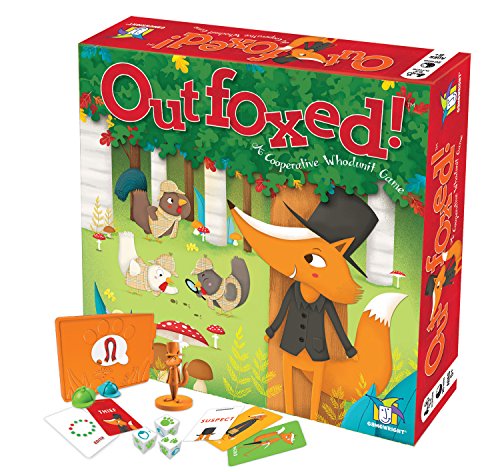
Outfoxed is a sophisticated cooperative whodunit adventure. Instead of competing, players work together to find the thief. This builds critical thinking and deduction skills. It is perfect for the slightly older preschooler. The game uses logic to solve a mystery. It encourages teamwork and communication among players.
The theme is whimsical and highly engaging. It offers a deeper level of play than most. Children must use clues to narrow down suspects. This makes every session feel like a real mission.
💬 My Take
A brilliant game that elevates preschool play. It turns little ones into tiny detectives.
Who It’s For
It is perfect for kids aged four to eight. It suits children who enjoy mysteries and problem-solving. It is great for families who prefer cooperative play.
✅ Pros
- Promotes teamwork and cooperation
- Sharpens critical thinking skills
- Engaging and immersive mystery theme
❌ Cons
- More complex than basic games
- Requires more focus from children
- Higher price point than classics
Hasbro Gaming Candy Land Kingdom of Sweet Adventures Board G🏆 Editor’s Pick
| Recommended Age | 3+ |
| Player Count | 2-4 |
| Theme | Candy Kingdom |
| Skill Focus | Color Recognition |
What We Found
Candy Land Kingdom of Sweet Adventures offers a vibrant journey through a sugary world. The game uses colored cards instead of dice. This removes the need for reading or counting. Children move their gingerbread man pawns toward the castle. The bright illustrations keep eyes glued to the board.
It serves as a perfect introduction to structured play. The components feel sturdy for small hands. It remains a timeless classic for a reason. The gameplay is predictable and soothing for young minds. It builds patience as players wait for their turn.
💬 My Take
It is a flawless entry point for the youngest gamers. The colorful world captures imaginations instantly.
Who It’s For
This game suits toddlers who are just starting to understand turn-taking. It works well for parents wanting a calm activity. The lack of reading requirements makes it ideal for three-year-olds. It provides a gentle way to introduce board game mechanics without overwhelming them.
✅ Pros
- No reading skills required for play
- Vibrant and engaging visual design
- Builds basic color recognition skills
❌ Cons
- Very little strategic depth
- Can feel repetitive for older kids
- Relies entirely on luck
Hasbro Gaming Hungry Hungry Hippos Game for Preschoolers | I🥈 Runner-Up
| Recommended Age | 4+ |
| Player Count | 2-4 |
| Action | Marble Chomp |
| Skill Focus | Reflexes |
What We Found
Hungry Hungry Hippos offers high-octane marble chomping madness. Players launch hippos to gobble up marbles. The instant reload feature keeps the action going. This prevents long pauses between turns. It is a very loud and energetic game. The setup is quick and extremely easy.
The storage solution is convenient and compact. It is a proven favorite for many families. The game encourages fast reflexes and excitement. It is a great way to burn energy indoors.
💬 My Take
A chaotic and wonderful burst of energy. It is guaranteed to cause excitement.
Who It’s For
Hasbro Gaming Hungry Hungry Hippos Game for Preschoolers | Instant Marble Relaunch, Easy S is best for shoppers who want a dependable match without overcomplicating the decision.
It is worth shortlisting if its size, feature set, warranty notes, and recent buyer feedback line up with the way you plan to use this best board game for preschoolers.
✅ Pros
- Exciting and high-energy gameplay
- Fast-paced with instant marble reload
- Easy to set up and store
❌ Cons
- Can be very loud during play
- Requires significant physical space
- Marbles can roll away easily
Hasbro Gaming Cootie Mixing and Matching Bug-Building Game |💰 Best Value
| Recommended Age | 3+ |
| Player Count | 2-4 |
| Type | Building Game |
| Skill Focus | Fine Motor Skills |
What We Found
Cootie offers a wonderful tactile experience through bug-building. Players use colorful plastic pieces to construct unique creatures. This promotes fine motor skills and creativity. The game includes a spinner to determine which parts to collect. It is a modern twist on a beloved classic.
The pieces are large enough for preschooler hands. Children can mix and match parts in many ways. This allows for endless creative variations. It encourages kids to follow instructions while being imaginative. The set is easy to clean and store.
💬 My Take
An excellent choice for building hands and imaginations. It turns simple parts into endless fun.
Who It’s For
It is ideal for children who love building and tactile play. It works well for kids developing fine motor coordination. It provides great value through its many replay options.
✅ Pros
- Enhances fine motor skill development
- Encourages creative piece combinations
- Highly tactile and engaging pieces
❌ Cons
- Small pieces can be lost easily
- Requires cleanup of many parts
- Can get messy during play
Hasbro Gaming Chutes and Ladders Board Game, 2 to 4 Players,🥈 Runner-Up
| Recommended Age | 3+ |
| Player Count | 2-4 |
| Mechanism | Spinner |
| Skill Focus | Counting |
What We Found
Chutes and Ladders brings excitement through its classic up and down movement. Players use a spinner to move their pawns. This helps with basic number recognition and counting. The game features engaging ladders and slippery chutes. Children experience the highs of climbing and the lows of sliding.
It teaches them how to handle small setbacks. The board is easy to navigate for little ones. It remains a staple in preschool classrooms worldwide. The components are durable for frequent use. It encourages social interaction in small groups.
💬 My Take
A fantastic way to blend math practice with pure fun. It keeps kids engaged through constant movement.
Who It’s For
This is perfect for preschool classrooms or small playgroups. It helps children practice counting numbers in a fun way. It is great for kids who enjoy movement and cause-and-effect gameplay.
✅ Pros
- Promotes early counting and number skills
- Exciting cause and effect gameplay
- Simple rules for quick setup
❌ Cons
- The chutes can cause minor frustration
- Gameplay is mostly luck-based
- Requires some basic number knowledge
Hasbro Gaming Hi Ho Cherry-O Board Game for 2 to 4 Players K
| Recommended Age | 3+ |
| Player Count | 2-4 |
| Type | Counting Game |
| Skill Focus | Basic Math |
What We Found
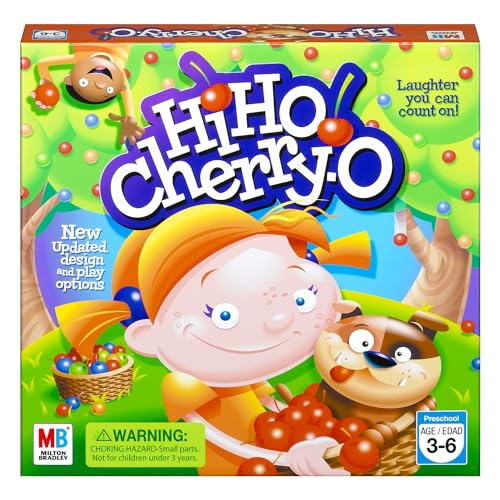
Hi Ho Cherry-O is a classic counting game. Players use a spinner to pick fruit. They fill their baskets with colorful pieces. This makes math practice feel like pure fun. It covers addition and subtraction in a natural way. The game is very simple to understand.
It is perfect for the youngest players. The pieces are bright and visually appealing. It helps children learn to take turns. This game is a staple for early childhood education. It is highly engaging for small children.
💬 My Take
An essential tool for early math learners. It turns counting into a rewarding game.
Who It’s For
Hasbro Gaming Hi Ho Cherry-O Board Game for 2 to 4 Players Kids Ages 3 and Up (Amazon Excl is best for shoppers who want a dependable match without overcomplicating the decision.
It is worth shortlisting if its size, feature set, warranty notes, and recent buyer feedback line up with the way you plan to use this best board game for preschoolers.
✅ Pros
- Teaches math through active play
- Very simple and easy rules
- Bright and engaging visual design
❌ Cons
- Very little strategic depth
- Relies heavily on the spinner
- Can be repetitive quickly
Let’s Go Fishin’ Game by Pressman – The Original Fast-Action
| Recommended Age | 4+ |
| Player Count | 1-4 |
| Action | Fishing |
| Skill Focus | Hand-Eye Coordination |
What We Found
Let’s Go Fishin’ provides fast-paced action with its rotating pond. Players use mini fishing poles to catch fish. The fish actually open and close their mouths. This adds a layer of physical skill to the game. It helps develop hand-eye coordination in young children.
The game is easy to set up and play. It works well for a small number of players. The mechanics are intuitive and require no reading. It creates a sense of excitement during every catch. The components are colorful and kid-friendly.
💬 My Take
A high-energy game that keeps little hands busy. The mechanical pond is a huge hit.
Who It’s For
This game suits kids aged four and up. It is perfect for children who enjoy active, physical games. It provides a great way to practice coordination.
✅ Pros
- Develops essential hand-eye coordination
- Engaging and interactive mechanics
- Fast-paced and exciting gameplay
❌ Cons
- Can be a bit loud during play
- Requires some physical dexterity
- Limited player count for large groups
Hasbro Gaming Trouble Board Game for Kids Ages 5 and Up 2-4
| Recommended Age | 5+ |
| Player Count | 2-4 |
| Mechanism | Pop-O-Matic |
| Skill Focus | Strategy |
What We Found
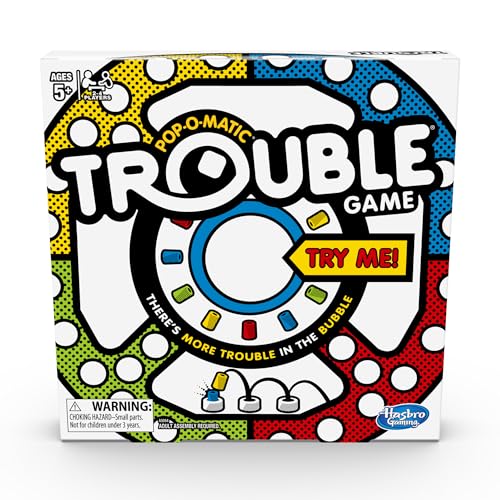
Trouble features the iconic Pop-O-Matic die roller. This mechanical bubble makes rolling the dice fun. The game is easy to learn and play. Players race to move all pieces around the board. It is a classic that bridges generations. The game includes power-up spaces for extra challenge.
This keeps the gameplay interesting for longer. It is great for families playing together. The components are durable and well-made. It provides a familiar and comfortable gaming experience.
💬 My Take
A reliable classic with a fun mechanical twist. The Pop-O-Matic is always a crowd-pleaser.
Who It’s For
This is best for children aged five and up. It works well for family game nights. It is great for kids who enjoy race-style games.
✅ Pros
- Fun and iconic die mechanism
- Easy to set up and play
- Offers multiple gameplay modes
❌ Cons
- Better for slightly older children
- Can be quite competitive
- Requires basic counting skills
Hasbro® Don’t Break The Ice Game, Classic Version for Ages 3
| Recommended Age | 3+ |
| Player Count | 2-4 |
| Theme | Arctic/Penguin |
| Skill Focus | Steady Hands |
What We Found
Don’t Break the Ice is a suspenseful game of skill. Players tap ice blocks to help Phillip the Penguin. The goal is to avoid dropping the penguin. This creates a thrilling atmosphere for all ages. It teaches children about steady hands and patience.
The ice blocks are easy for small fingers to grip. The game is simple to understand and play. It works well for small family gatherings. The tension builds as the ice structure weakens. It is a classic that never fails to entertain.
💬 My Take
It delivers pure tension in a kid-friendly package. The ‘ker-plop’ moment is always a highlight.
Who It’s For
This is great for children who enjoy suspenseful games. It works well for families looking for quick sessions. It is ideal for developing fine motor control.
✅ Pros
- Builds suspense and excitement
- Encourages careful and steady movements
- Simple and quick to learn
❌ Cons
- Requires a very steady hand
- Can be frustrating for very young kids
- Ice pieces can be fragile
Hasbro Gaming Don’t Spill The Beans Game for Kids, Easy and
| Recommended Age | 3+ |
| Player Count | 2 |
| Type | Balancing Game |
| Skill Focus | Fine Motor Control |
What We Found
Don’t Spill the Beans is a suspenseful balancing game. Players add beans to a wobbly jar. The goal is to avoid tipping it over. This creates intense moments of concentration. It is a great two-player game. The colorful beans are fun to handle. The game is easy to learn quickly.
It teaches children about balance and patience. The modern twist makes it feel fresh. It is a perfect game for small groups. The components are sturdy and well-designed.
💬 My Take
A simple but effective test of steady hands. It provides great tension for little ones.
Who It’s For
This is best for two players playing together. It is great for developing focus and steady hands. It works well for small, quiet play sessions.
✅ Pros
- Builds intense focus and concentration
- Simple and easy to understand
- Great for small, quiet play
❌ Cons
- Limited to only two players
- Requires high levels of patience
- Can be frustrating if jar tips
What to Look For Before Buying
Selecting the right game is vital for development. You should prioritize games that match your child’s current skill level. Avoid games that require advanced reading or complex strategy. Look for tactile components that engage their senses.
Check Skill Development Focus
Choose games that teach specific skills. Look for math, color, or motor skills. These games provide educational value during play. They turn learning into an enjoyable activity. This makes playtime more productive for growth.
Value Durability and Safety
Preschoolers can be quite rough with toys. Ensure the pieces are large and sturdy. Avoid small parts that pose choking hazards. High-quality materials will last through many sessions. This ensures better long-term value for parents.
Rating Complexity Levels
Match the game rules to their age. Too much complexity causes immediate frustration. Too little complexity leads to boredom quickly. Aim for a sweet spot of challenge. This keeps them engaged and confident.
Verify Engagement Factor
Look for bright colors and fun themes. Visual appeal is huge for young children. Interactive elements like spinners are very effective. These features keep their attention focused longer. Excitement leads to more frequent play sessions.
Frequently Asked Questions
What age is right for board games?
Most preschoolers can start at age three. They benefit from games with simple rules. Look for games that use colors or shapes. This makes the experience successful and fun.
Do they need to read to play?
Many great preschool games require no reading. They use colors, spinners, or physical pieces. This allows children to play independently. It also prevents frustration during the learning process.
How can games help with math?
Games like Hi Ho Cherry-O teach counting. They also introduce basic addition and subtraction. Using physical pieces makes math concepts concrete. This helps children grasp numbers much faster.
Are cooperative games better?
Cooperative games are excellent for young children. They teach teamwork instead of harsh competition. This reduces tantrums and promotes social bonding. It makes the experience positive for everyone.
How do I manage game cleanup?
Choose games with dedicated storage cases. This helps keep small pieces organized. Assigning a cleanup task can also help. It teaches responsibility in a structured way.
🎯 Final Verdict
For the most engaging experience, choose Outfoxed. It offers unique cooperative play that builds critical deduction skills. This game elevates preschool play to a new level. If you need something high-energy, Hungry Hungry Hippos is a fantastic runner-up. It provides unmatched excitement for active children.
Both options offer great value for your family. Select the game that best matches your child’s personality. Start your next family game night today!