Finding the right board game for a 3-year-old can feel like a chore. Most games demand too much patience or focus. Toddlers have very short attention spans. You need options that keep them engaged without causing meltdowns.
The best games for this age emphasize simple rules and tactile pieces. Look for titles that teach counting or turn-taking. These games should not require reading. This ensures kids feel successful during playtime.
⚡ Quick Verdict
List of Best Board Game For 3 Year Olds
| Image | Product | Score | Link |
|---|---|---|---|
 | Peaceable Kingdom Monkey Around First Game for Toddlers Inte 🏆 Editor’s Pick | 9.5/10 |
View on Amazon Free Shipping & 30-Day Returns |
 | Hasbro Gaming Hi Ho Cherry-O Board Game for 2 to 4 Players K 💰 Best Value | 9.2/10 |
View on Amazon Free Shipping & 30-Day Returns |
 | Hasbro Gaming Candy Land Bluey Edition Board Game | Ages 3 a | 8.8/10 |
View on Amazon Free Shipping & 30-Day Returns |
 | Hasbro® Don’t Break The Ice Game, Classic Version for Ages 3 | 8.5/10 |
View on Amazon Free Shipping & 30-Day Returns |
 | Hasbro Gaming Chutes and Ladders: Marvel Spider-Man Edition 🥈 Runner-Up | 8.2/10 |
View on Amazon Free Shipping & 30-Day Returns |
 | Hasbro Gaming Chutes and Ladders Board Game, 2 to 4 Players, | 8.0/10 |
View on Amazon Free Shipping & 30-Day Returns |
 | Hasbro Gaming Ants in The Pants Preschool Game for Kids Ages | 7.9/10 |
View on Amazon Free Shipping & 30-Day Returns |
 | Let’s Go Fishin’ Game by Pressman – The Original Fast-Action 🏆 Editor’s Pick | 7.8/10 |
View on Amazon Free Shipping & 30-Day Returns |
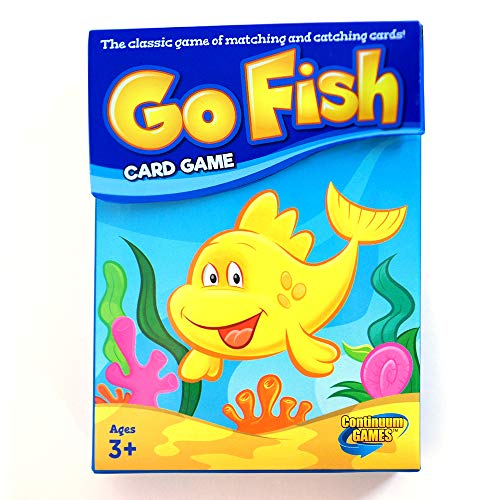 | Continuum Games Go Fish Classic Card Game Fun | 7.6/10 |
View on Amazon Free Shipping & 30-Day Returns |
 | Hasbro Gaming Candy Land Kingdom of Sweet Adventures Board G | 7.5/10 |
View on Amazon Free Shipping & 30-Day Returns |
📋 How We Evaluated
We evaluated these games based on age-appropriateness, tactile design, and educational value. We also considered durability, ease of setup, and how well each game keeps a toddler’s attention.
Detailed Reviews
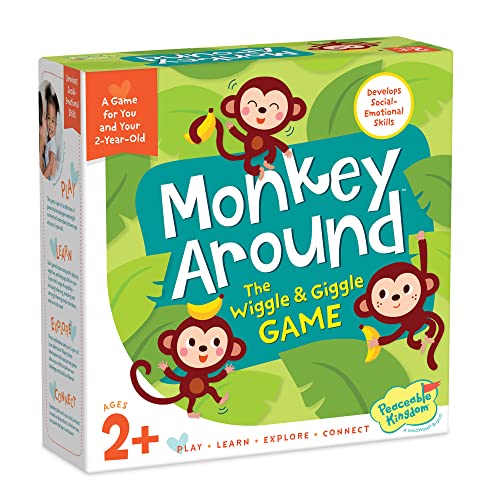
Peaceable Kingdom Monkey Around First Game for Toddlers Inte🏆 Editor’s Pick
| Players | 2+ |
| Skills | Gross motor skills |
| Mechanism | Action cards |
| Age | 2 and up |
What We Found
Monkey Around is a departure from traditional board games. It focuses entirely on interactive movement. Players draw cards that prompt physical actions. These include hopping or balancing. This is perfect for toddlers who cannot sit still. The game includes a cute beanbag banana. This adds a fun tactile element.
It develops gross motor skills and spatial awareness. The rules are very flexible. Parents can adjust difficulty easily. The focus on collaboration makes it a stress-free experience.
💬 My Take
A brilliant, active game that engages toddlers perfectly. It is the ultimate choice for energetic, growing children.
Who It’s For
This is the best choice for active toddlers who struggle with traditional board games. It is perfect for parents who want to bond through play and movement.
✅ Pros
- Encourages movement instead of sedentary play.
- Flexible rules adapt to different developmental levels.
- Builds gross motor skills and social confidence.
❌ Cons
- Requires space to perform the physical actions.
- Not a traditional board game experience.
- May be too chaotic for some quiet environments.
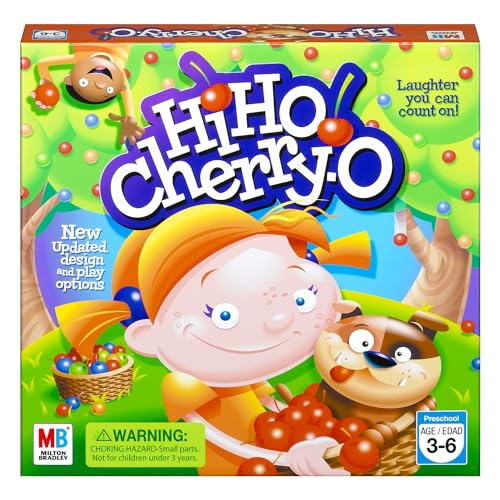
Hasbro Gaming Hi Ho Cherry-O Board Game for 2 to 4 Players K💰 Best Value
| Players | 2-4 |
| Skills | Counting and basic math |
| Mechanism | Spin and move |
| Age | 3 and up |
What We Found
Hi Ho Cherry-O focuses heavily on early math skills. Players spin a wheel to pick or return fruit. This mechanic reinforces counting and simple math. The board is colorful with clear visuals. Since each player has a tree, everyone stays involved. The plastic fruit pieces are very vibrant.
Parents should watch small parts around younger kids. The game is easy to learn. It teaches children how to win and lose gracefully. It is a proven way to teach numerical concepts.
💬 My Take
An essential educational game that makes math fun. It is a must-have for every preschooler’s game collection.
Who It’s For
This is perfect for children who are starting to learn numbers. It is an excellent classroom or home tool for reinforcing math through play without it feeling like a lesson.
✅ Pros
- Effectively teaches basic math and counting skills.
- Simple, repetitive gameplay is perfect for preschoolers.
- High replay value due to the engaging fruit theme.
❌ Cons
- Small fruit pieces are easy to lose.
- The spinner can feel flimsy over time.
- The game can occasionally drag on for some children.
Hasbro Gaming Candy Land Bluey Edition Board Game | Ages 3 a
| Players | 2-6 |
| Theme | Bluey |
| Skills | Color matching |
| Age | 3 and up |
What We Found
This Bluey version captures the charm of the TV series. It keeps the simple color-matching mechanics of the original. Players can choose from six different characters. The board features iconic locations from the show. This encourages imaginative play. Special cards encourage children to get up and move.
The artwork is bright and faithful to the series. It requires no reading at all. This makes it very accessible for toddlers. It is a great way to enjoy the show without a screen.
💬 My Take
My read is that this is a charming update to a classic.
Who It’s For
This game is tailor-made for Bluey fans who enjoy imaginative play. It is perfect for families who want a familiar game format with a modern, beloved theme.
✅ Pros
- Includes beloved characters from the Bluey series.
- Adds fun physical movement with Dance Mode cards.
- Simple, accessible rules for young children.
❌ Cons
- Cardboard movers may show wear after heavy use.
- Similar to the original, it lacks strategic depth.
- The player count might make the game feel crowded.
Hasbro® Don’t Break The Ice Game, Classic Version for Ages 3
| Players | 2-4 |
| Skills | Fine motor control |
| Theme | Arctic adventure |
| Age | 3 and up |
What We Found
Don’t Break The Ice offers a unique tactile experience. It balances strategy with a bit of suspense. Players tap out ice blocks without dropping the penguin. This requires concentration and fine motor control. The game is highly interactive and provides a thrill.
It teaches children how to plan moves while managing pressure. The setup involves inserting plastic blocks. This is a manageable task for adults. The game is fast-paced so kids do not get bored. The plastic pieces are built to withstand many falls.
💬 My Take
A highly engaging game that rewards patience. It is one of the most exciting options for preschoolers.
Who It’s For
This is excellent for children who enjoy physical challenges and high-stakes play. It is a great choice for developing steady hands and patience in a fun, high-energy environment.
✅ Pros
- Builds focus and fine motor precision.
- Provides an exciting, immediate payoff for players.
- Fast gameplay keeps toddlers engaged throughout.
❌ Cons
- Setting up the blocks takes time.
- Small pieces can be easily misplaced.
- The suspense might be too intense for some toddlers.
Hasbro Gaming Chutes and Ladders: Marvel Spider-Man Edition 🥈 Runner-Up
| Players | 2-4 |
| Theme | Marvel Spider-Man |
| Skills | Counting |
| Reading | None required |
What We Found
This Spider-Man edition adds superhero excitement to a familiar format. It replaces traditional pawns with eight Marvel character movers. The board features vivid illustrations to grab a preschooler’s attention. Since it uses a spinner, it requires zero reading skills. This allows toddlers to play with very little help.
The climbing and sliding concept teaches basic cause and effect. Including characters like Venom adds a fun layer for young fans. The build quality is sturdy enough for energetic kids.
💬 My Take
My read is that this is a great thematic twist on a classic.
Who It’s For
This is perfect for young Marvel fans who are ready for basic board game mechanics. It serves as an excellent tool for teaching number recognition and simple counting in a fun, thematic way.
✅ Pros
- Features recognizable and exciting superhero characters.
- Bright, durable game board stands up to daily use.
- Teaches basic counting and number recognition.
❌ Cons
- Gameplay can last longer than a toddler’s attention span.
- Spinners can become loose after extended use.
- Lacks the physical engagement of more active games.
Hasbro Gaming Chutes and Ladders Board Game, 2 to 4 Players,
| Players | 2-4 |
| Skills | Counting |
| Mechanism | Spin and move |
| Age | 3 and up |
What We Found
The classic Chutes and Ladders teaches the concept of sequences. Children practice counting by spinning a number. The up and down mechanic provides a lesson in consequences. Landing on a ladder is rewarding. Landing on a chute can be frustrating. The board is bright and easy to follow.
It requires no reading skills. This makes it ideal for 3-year-olds. The pieces are durable for frequent use. It is simple enough to play before nap time. It helps develop basic game-playing skills.
💬 My Take
A fundamental game that every child should experience. It is a reliable, no-nonsense choice for families.
Who It’s For
This is for parents who want a straightforward, classic game for their child. It is great for practicing numbers and learning to follow simple, linear game rules.
✅ Pros
- Teaches basic counting and number recognition.
- Classic design is easy to learn and play.
- Simple rules are perfect for young preschoolers.
❌ Cons
- Can be frustrating for children who hate sliding down.
- Luck-based gameplay offers no strategic control.
- The board can feel repetitive after many games.
Hasbro Gaming Ants in The Pants Preschool Game for Kids Ages
| Players | 2-4 |
| Skills | Dexterity |
| Mechanism | Flipping action |
| Age | 3 and up |
What We Found
Ants in the Pants is a high-energy classic. It focuses on dexterity and coordination. Players use a mechanism to flip plastic ants. The ants go into oversized panda pants. The action is fast and loud. This is very fun for preschoolers. Everyone plays at the same time.
This avoids the boredom of waiting for turns. It is very easy to assemble. It requires no reading skills. It is a great way to practice fine motor skills. The chaos brings a lot of joy to a room.
💬 My Take
An exciting, high-energy classic that delivers pure fun. It is a great choice for active game nights.
Who It’s For
This is for families who love high-energy, active games. It is perfect for children who enjoy fast-paced challenges and tactile, hands-on play with colorful pieces.
✅ Pros
- Fast-paced action prevents waiting and boredom.
- Simple, intuitive mechanics are easy for toddlers.
- Highly engaging and fun for everyone involved.
❌ Cons
- Small ant pieces are very easy to lose.
- The game can be noisy due to the flipping.
- The pants assembly can occasionally be tricky.
Let’s Go Fishin’ Game by Pressman – The Original Fast-Action🏆 Editor’s Pick
| Players | 1-4 |
| Mechanism | Rotating pond |
| Skills | Hand-eye coordination |
| Age | 4 and up |
What We Found
The Let’s Go Fishin’ game is a childhood staple. Its rotating pond and snapping fish provide immediate visual feedback. This keeps young players captivated. Players use small poles to hook magnetic fish. This action helps develop fine motor skills. The bright colors and mechanical design work reliably.
It requires batteries but the setup is very quick. The game supports up to four players. Its simple premise allows even the youngest kids to join in. The combination of motion and competition makes it exciting.
💬 My Take
A classic choice that keeps children active. It remains a reliable way to practice coordination through play.
Who It’s For
I would suggest this for parents seeking high-energy activities. It works well for children who prefer active play over sitting still. The simple mechanics are great for tactile learners.
✅ Pros
- Develops fine motor skills through fishing action.
- Simple mechanics require no reading or complex strategy.
- Highly engaging movement keeps children focused.
❌ Cons
- Requires batteries for the rotating pond.
- Small parts pose a choking hazard for younger siblings.
- Fishing poles can be fragile with rough handling.
Continuum Games Go Fish Classic Card Game Fun
| Players | 3-6 |
| Skills | Social skills and memory |
| Mechanism | Card matching |
| Age | 3 and up |
What We Found
This Go Fish game teaches social interaction. The deck features friendly and colorful illustrations. Children learn to take turns and hold cards. It encourages simple memory strategies. Players must remember which cards were requested. The packaging is sturdy to protect the cards. It includes rule variations for older children.
This is a good way to introduce card games. It avoids the complexity of advanced titles. It is a quiet activity for families.
💬 My Take
A gentle, educational card game that fosters social development. It is a wonderful addition to any home.
Who It’s For
This is ideal for children ready to move beyond simple board games. It is perfect for teaching social skills and basic memory strategies in a relaxed, family setting.
✅ Pros
- Teaches essential social skills like turn-taking.
- Compact size makes it portable for travel.
- Engaging art keeps children focused on the game.
❌ Cons
- Requires more focus than board games.
- Cards can be difficult for small hands to hold.
- Players need basic verbal skills to participate effectively.
Hasbro Gaming Candy Land Kingdom of Sweet Adventures Board G
| Players | 2+ |
| Mechanism | Color matching |
| Skills | Color recognition |
| Reading | None required |
What We Found
Candy Land offers a gentle entry into board games. It uses a color-matching system instead of dice. This makes it perfect for non-readers. Players move gingerbread pawns across a vibrant path. The illustrations are whimsical and appeal to little ones. Setup is very fast for impatient toddlers.
The game relies on luck rather than strategy. This lets children of different ages play together fairly. The cardboard components are quite durable. Many parents will already know the rules.
💬 My Take
I would pick this to remove competition stress while teaching basic rules.
Who It’s For
This game is best for toddlers just beginning their board game journey. It is ideal for families who want a stress-free game that focuses on color recognition and simple turn-taking.
✅ Pros
- No reading or counting required for play.
- Simple color-matching mechanics prevent frustration.
- Whimsical design keeps the game visually engaging.
❌ Cons
- Gameplay is entirely luck-based with no strategy.
- Cardboard pieces may wear down over time.
- Some children may find it too simple eventually.
What to Look For Before Buying
Choosing a game for a 3-year-old requires a balance. You need simple rules and engaging themes. Look for durability and easy setup. This keeps playtime fun and frustration-free.
Check Focus on Simplicity
Three-year-olds struggle with complex rules. They also dislike long wait times. Choose games with color matching or simple spinners. These designs help kids understand the goal. Simple games prevent frustration. I suggest looking for games that finish in ten minutes.
Value Prioritize Tactile Engagement
Toddlers learn best through touch. Look for games with physical pieces. Flipping ants or balancing blocks keeps them focused. Tactile games are often more successful than card games. Avoid games with too many tiny, loose parts.
Rating Check for Educational Value
Many preschool games teach counting or color recognition. Look for titles that integrate these lessons naturally. Learning should feel like part of the fun. This builds confidence in young children. Always check the age labels carefully.
Verify Assess Social Suitability
Three-year-olds are learning to share. Choose games that encourage positive interaction. Cooperative games are excellent for this age. They help children learn to play together. Observe your child to find the right fit.
Frequently Asked Questions
Are board games suitable for 3-year-olds?
Yes, many games are made for this age. They use simple mechanics and no reading. These games introduce social interaction and logic.
How long should a game last for a toddler?
I suggest games that last five to fifteen minutes. Toddlers have short attention spans. Quick games keep everyone happy and engaged.
Do I need to worry about small parts?
Yes, check the packaging for small parts. These can be hazards for younger siblings. Always supervise play to keep pieces organized.
What if my child does not want to follow the rules?
This is normal for toddlers. Focus on playing together rather than strict rules. They will learn to follow rules as they grow.
Are cooperative games better than competitive ones?
Cooperative games are often better for this age. They reduce frustration by working as a team. This builds social confidence.
🎯 Final Verdict
I would recommend Monkey Around for the best experience. Its focus on movement and cooperation fits a toddler’s needs. It avoids the frustration of turn-based games. If you want a traditional game, Hi Ho Cherry-O is my runner-up. It excels at teaching basic math. Both options provide fun and learning.
You can transform your family game nights with these titles.